Gray Water Systems IPC
The Diagnosis: Defining a Gray Water System
A Gray Water System is a plumbing assembly designed to collect, filter, and reuse wastewater from specific fixtures—primarily showers, bathtubs, and lavatories—for non-potable applications like subsurface irrigation. The core challenge is implementing this recycling safely and legally, which is strictly governed by the International Plumbing Code (IPC). This guide details the basic IPC standards for residential and light commercial systems.
Technical Deep Dive: System Design & Installation
Proper implementation requires a segregated plumbing system. Follow this step-by-step protocol.
1. Source Separation & Collection
- Allowed Sources (IPC 2021, Chapter 13): Wastewater from bathtubs, showers, lavatories, and clothes washers. Water from kitchen sinks, dishwashers, or any fixture that may process food waste is typically not permitted as gray water due to higher nutrient and grease content.
- Drainage Piping: Gray water drain lines must be identified continuously with the words “NONPOTABLE WATER” and the color purple or green. This is a mandatory code requirement for maintenance safety (IPC 701.4).
- Three-Valve Diversion Manifold: Install a manual or automatic valve system to divert gray water either to the irrigation system or to the sanitary sewer/septic tank. This is essential for times of heavy rainfall or system maintenance.
2. Storage & Treatment
- Storage Tanks: Tanks must be clearly labeled, durable, and sealed to prevent mosquito breeding and unauthorized access. The IPC requires tanks to be sized for a retention time not exceeding 24 hours to prevent stagnation (IPC 1302.1).
- Filtration: A minimum 100-mesh filter (or equivalent) is required downstream of the tank to remove hair and particulates before distribution. For subsurface irrigation, a secondary sediment filter is often recommended to prevent emitter clogging.
- No Chemical Storage: Do not store bleach, hydrogen peroxide, or other treatment chemicals in the same room as the gray water tank due to corrosion and fume risks.
3. Distribution for Subsurface Irrigation
This is the primary and safest method for recycling gray water.
- Subsurface Application Only: IPC 1304.1 mandates that gray water be applied below the ground surface via leaching chambers, drip tubing, or mulch basins. Surface irrigation is prohibited to minimize human contact and runoff.
- Installation Depth: Distribution lines or emitters must be covered by a minimum of 2 inches of soil, gravel, or mulch.
- Setback Requirements: Maintain minimum horizontal distances:
From Minimum Setback Property Lines 2 feet Water Wells 50 feet Building Foundations 5 feet - Hydraulic Design: Systems must be designed to fully distribute the daily gray water volume without surface ponding. Use pressure-compensating drip emitters for sloped terrain.
Code & Compliance: Navigating the IPC
Adherence to code is non-negotiable for system legality and safety. Key IPC chapters are 13 (Nonpotable Water Systems) and 7 (Sanitary Drainage).
- IPC 1301.1 Permits: Installation requires a permit. The system design, including pipe sizing, tank capacity, and irrigation layout, must be submitted for approval.
- IPC 1303.1 Backflow Prevention: The potable water supply to any equipment (like a filter flush line) must be protected by an air gap or a reduced pressure principle backflow preventer (RPZ). This is a critical public health safeguard.
- IPC 1304.3 Labeling: All access points, valves, and above-ground components must have permanent, weatherproof labels reading: “CAUTION: NONPOTABLE WATER – DO NOT DRINK.”
- Local Amendments: Always check with your local building department. Many jurisdictions adopt the IPC with amendments that may be more restrictive (e.g., prohibiting clothes washer water, requiring professional design).
Toolbox: Essential Gear for Installation & Maintenance
Using professional-grade tools ensures a reliable, leak-free installation.
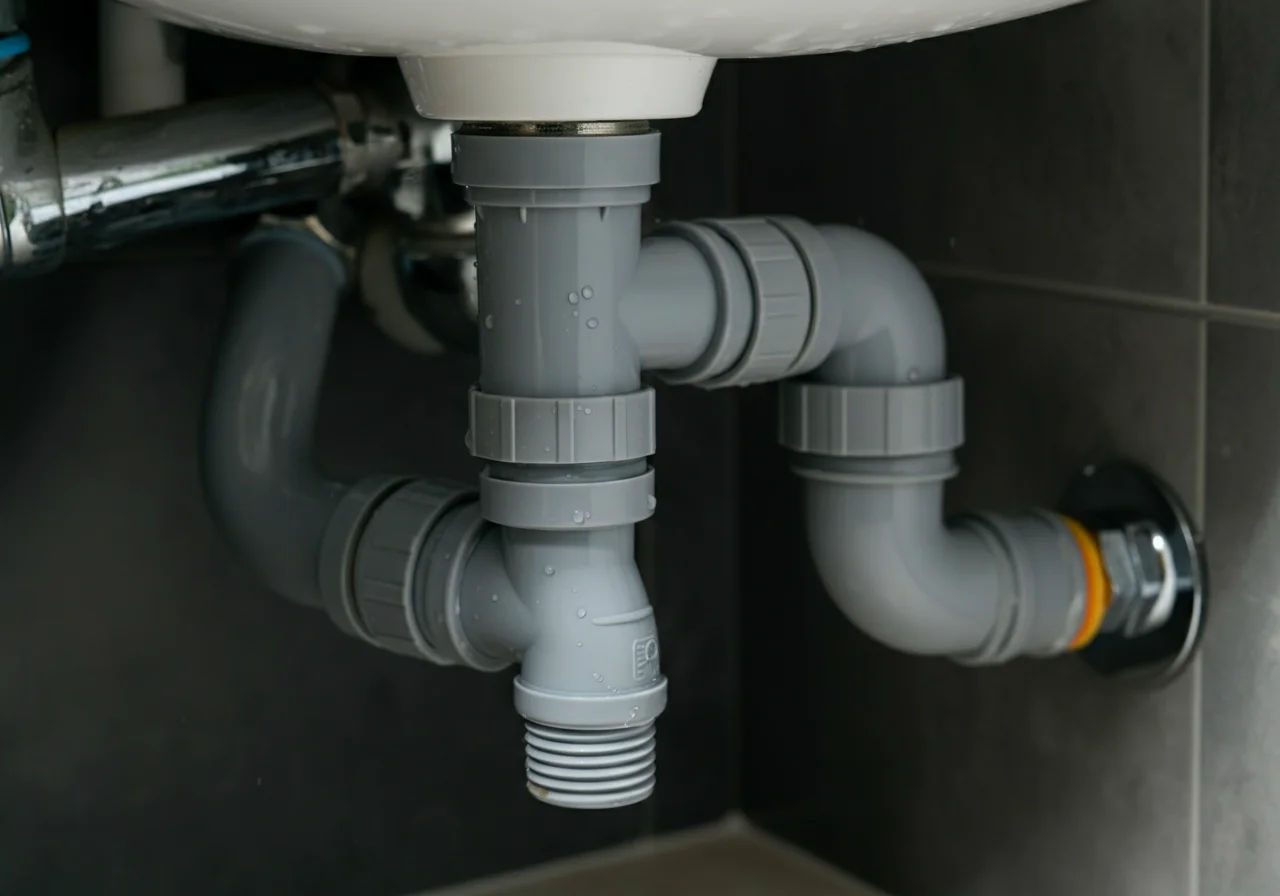
- For PVC/ABS Solvent Welding: A quality tubing cutter (like Ridgid) and code-approved primer & cement.
- For Trenching & Distribution: A compact trencher for laying subsurface lines and a Milwaukee M12™ PVC Shear for clean cuts on distribution tubing.
- For System Verification: A Fluke T5-1000 Voltage Tester to safely confirm power is off to any pumps or controllers before service.
- Maintenance Must-Have: A set of valve wrenches and a bucket strainer for inspecting and cleaning the primary tank filter.
External Reference & Further Reading
For authoritative technical specifications and safety guidelines, consult the following resource:
- U.S. EPA WaterSense: Water Reuse and Recycling – This federal resource provides an overview of water recycling concepts, including conservation benefits and regulatory frameworks that inform code development.
Final Professional Note
A compliant Gray Water System is a precision-engineered component of a building’s plumbing. Its design revolves around source control, subsurface dispersal, and absolute isolation from potable water. While recycling this water for landscape irrigation conserves a vital resource, the margin for error is zero. Strict adherence to IPC Chapter 13, coupled with professional installation practices, is the only path to a system that is safe, durable, and code-compliant.