Combo Wye Usage
The Diagnosis: Flow Direction Dictates Fitting Choice
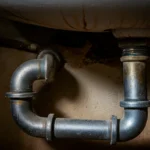
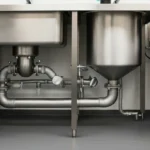
In drainage and vent (DWV) systems, selecting the correct fitting is a non-negotiable requirement for proper function and code compliance. The core issue is preventing turbulence, solids accumulation, and siphonage. The Combo Wye (a combination wye and eighth bend) and the sanitary tee are not interchangeable. Their use is strictly governed by the direction of flow relative to the horizontal. Misapplication is a common installation error that leads to chronic clogs and failed inspections.
Technical Deep Dive: Fitting Function & Installation
The fundamental rule is this: Use a sanitary tee when the flow is changing from horizontal to vertical. Use a combo wye when the flow is changing from horizontal to horizontal or from vertical to horizontal. This rule exists to maintain a smooth, sweeping path for waste and to preserve the water seal in traps.
Step-by-Step Application Guide
- Scenario 1: Horizontal to Vertical Drainage (Sanitary Tee Application)
- Identification: A horizontal drain line (e.g., from a sink) needs to drop into a vertical stack or drain.
- Action: Install a sanitary tee. The straight-through, horizontal inlet receives the flow. The vertical outlet provides a direct, downward path. The curved sweep of the tee is designed for this specific transition.
- Tool: Use a Ridgid level to ensure the horizontal branch maintains the proper pitch (typically 1/4″ per foot).
- Scenario 2: Horizontal to Horizontal or Vertical to Horizontal Drainage (Combo Wye Application)
- Identification: You need to connect a branch drain (horizontal or vertical) to a main horizontal drain line. The flow from the branch will join the main flow at an angle.
- Action: Install a combo wye (a wye fitting with a 45-degree branch) and an eighth bend (a 45-degree elbow). The wye provides a 45-degree entry, and the eighth bend creates the necessary turn. This creates a long, sweeping 90-degree turn that is legal for horizontal drainage.
- Critical Installation: The branch must enter the main in the direction of flow. Never install a wye facing upstream.
- Tool: A Milwaukee M12 Hackzall is ideal for precise cutting of PVC or ABS to fit the combo assembly.
- Scenario 3: Venting Connections (Sanitary Tee is Mandatory)
- Rule: When connecting a vent line to a vertical stack, you must use a sanitary tee. This applies whether the vent is horizontal or vertical at the point of connection. The tee allows air to move freely without risking waste entry into the vent.
| Fitting | Primary Use | Flow Direction | Legal for Horizontal Drainage? |
|---|---|---|---|
| Sanitary Tee | Horizontal to Vertical Drain; Any Vent Connection | 90-degree turn with a short-radius curve | No (except for wet venting under specific code provisions) |
| Combo Wye & 1/8 Bend | Horizontal to Horizontal; Vertical to Horizontal | 90-degree turn via a long, sweeping 45+45 degree path | Yes |
Code & Compliance: The Legal Backbone
These rules are not suggestions; they are codified. The International Plumbing Code (IPC) and Uniform Plumbing Code (UPC) are explicit.
- IPC 706.3 & UPC 706.4: “Changes in direction of drainage piping shall be made by use of approved fittings that have a sweep not less than 90 degrees… or by a combination of fittings producing a 90-degree turn.” A sanitary tee’s short radius does not qualify as a “sweep” for horizontal-to-horizontal changes.
- IPC 706.2 & UPC 706.3: Specifically mandates the use of sanitary tees for connections between horizontal branches and vertical stacks. Using a wye here would direct flow against the side of the stack, causing turbulence.
- Venting (IPC 905.2 & UPC 905.2): Requires vent connections to be made above the flood level rim of the fixture being served and through the use of sanitary tees or other approved fittings that prevent waste entry.
Failure to follow these codes will result in a failed inspection, as the inspector will immediately recognize the fitting as a source of potential future blockage.
Toolbox: Essential Gear for Precision
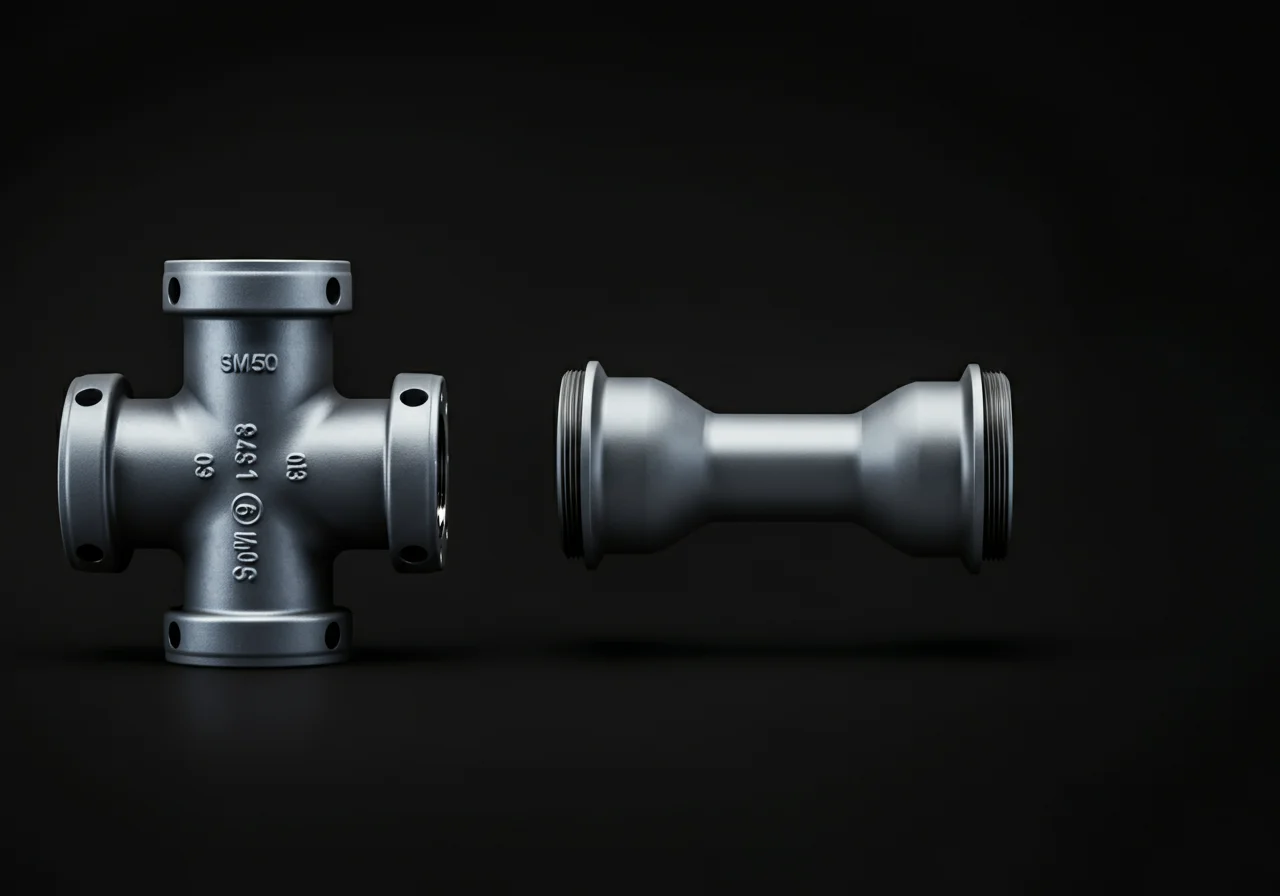
- Cutting & Deburring: A quality power cutter like a Milwaukee M12 Tubing Cutter for clean, square cuts on plastic pipe. Always follow with a deburring tool.
- Measurement & Leveling: A 48″ Ridgid level with magnetic edges is crucial for establishing and verifying constant fall on horizontal lines.
- Solvent Welding: Use primer and cement appropriate for your pipe material (PVC or ABS). Apply evenly for a full, strong joint.
Safety Warning
Always verify the system is not under pressure or containing waste before cutting. For existing systems, ensure the main drain line is isolated and drained. When working on any system connected to a sewer, use appropriate PPE including gloves and eye protection to guard against exposure to hazardous gases and biological contaminants.
External References
For the definitive engineering standards on drainage fittings, consult the ASTM International specifications, which form the basis for code-approved materials. The standard for sanitary tees and combination wye bends is detailed here: ASTM F2561 – Standard Specification for Drain, Waste, and Vent (DWV) Plastic Fittings Patterns.