Cast Iron Snappers
The Diagnosis: What is a Cast Iron Snapper?
A Cast Iron Snapper is a specialized mechanical tool designed to cut and snap old, brittle cast iron soil pipe (DWV) cleanly and safely. Unlike abrasive saws, these tools apply controlled radial pressure to fracture the pipe along a scored line, producing a clean, burr-free cut ideal for hubless no-hub couplings. This method is the industry standard for retrofitting and repairing aged cast iron drainage systems.
Technical Deep Dive: Operation and Best Practices
Using a cast iron snapper correctly is critical for a safe, clean break. Improper use can shatter the pipe or cause injury.
Step-by-Step Cutting Procedure
- Step 1: Preparation & Safety. Clear the work area. Wear ANSI Z87.1 safety glasses, cut-resistant gloves (Kevlar or equivalent), and hearing protection. Ensure the pipe section is properly supported to prevent uncontrolled drop.
- Step 2: Scoring the Pipe. Use the cutting wheel or chain of the tool to score a deep, continuous line around the entire circumference of the pipe. A deep, uniform score is more important than force at this stage.
- Step 3: Applying Snapping Pressure. For a chain cutter, evenly tighten the ratcheting mechanism. For a scissor-style cutter, pump the handles smoothly. Apply pressure incrementally; you will hear a distinct “crack” as the pipe fractures along the score line.
- Step 4: Finishing the Cut. Once snapped, use a file or grinder to remove any minor high spots or casting flash from the cut end to ensure a perfect seal with the no-hub coupling.
Tool Selection: Chain Cutter vs. Scissor-Type
| Tool Type | Best For | Capacity | Key Consideration |
|---|---|---|---|
| Chain Cutter (e.g., Ridgid 322) | Tight spaces, close to walls, overhead cuts. | 1-1/2″ to 8″ pipe | The chain wraps fully around the pipe, providing even pressure. Essential for cuts where a scissor tool cannot fit. |
| Scissor-Type Cutter (e.g., Reed EP-40) | Open work areas, faster operation on long runs. | 2″ to 6″ pipe | Requires more swing clearance but offers powerful, direct leverage. Often preferred for high-volume work. |
Code & Compliance
Working with cast iron soil pipe is governed by plumbing and safety codes. Adherence is non-negotiable for a legal and functional installation.
- IPC/UPC – Pipe Preparation: Both the International Plumbing Code (IPC) and Uniform Plumbing Code (UPC) require pipe ends to be cut square and free of burrs to ensure a proper gasket seal. Cast Iron Snappers are the prescribed method to achieve this on existing cast iron. (Refer to IPC §705.7 / UPC §705.1).
- OSHA – Confined Spaces: Cutting soil pipe in trenches or crawl spaces may trigger OSHA’s Confined Space (29 CFR 1910.146) requirements if the space is large enough to enter but has limited egress.
- NEC – Proximity to Electrical: The National Electrical Code (NEC) requires maintaining safe separation from electrical conduits and boxes. Be aware of hidden wiring when cutting.
Toolbox: Essential Gear for the Job
Beyond the snapper itself, a professional job requires supporting tools.
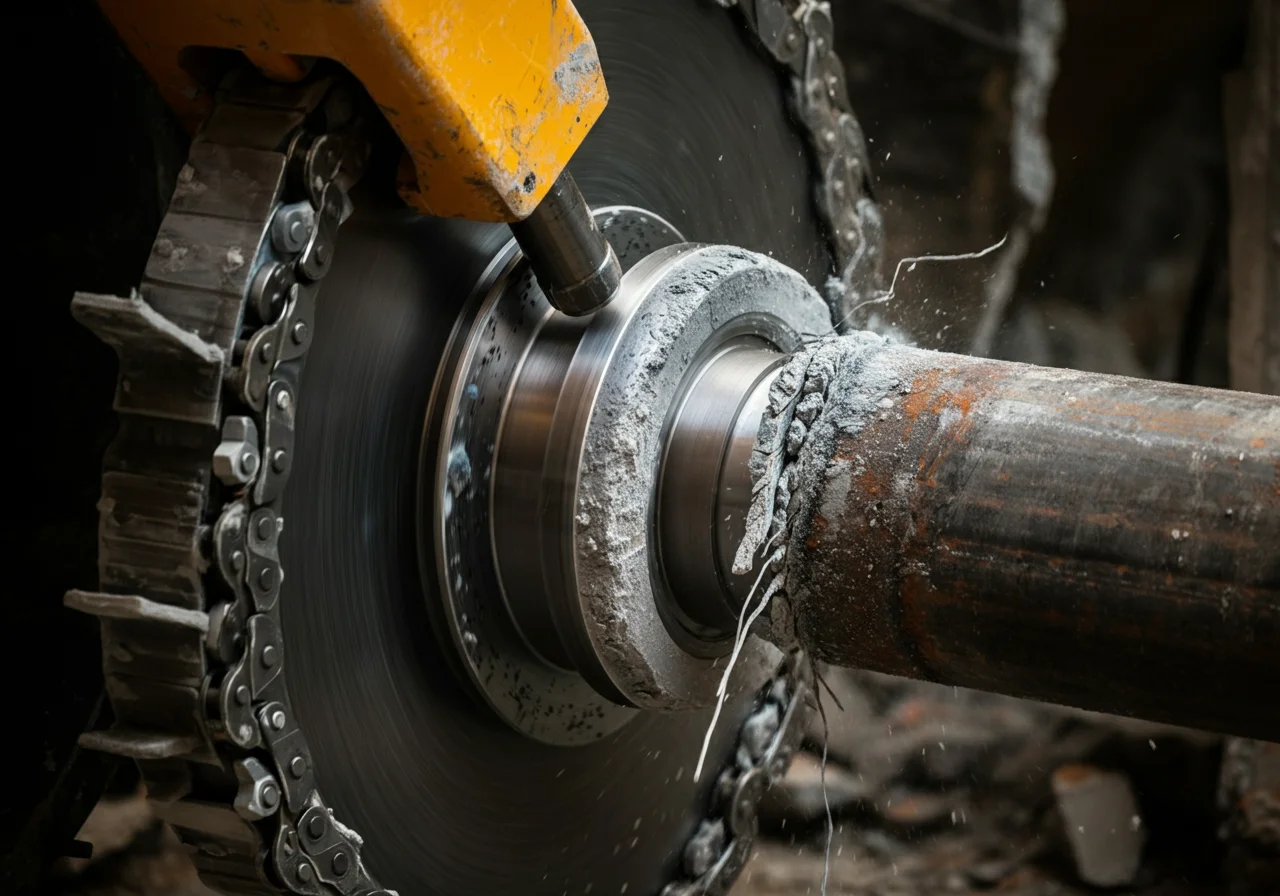
- Primary Tool: A high-quality chain cutter like the Ridgid 322 or a scissor-type from Milwaukee. Ensure cutting wheels are sharp and chains are not stretched.
- Measurement & Marking: A heavy-duty wrap-around pipe marker or a speed square for a perfect scoring line.
- Finishing: A mill bastard file or a Milwaukee cordless grinder with a flap disc for deburring.
- Diagnostic: A Fluke non-contact voltage tester to scan for live wires near the work area before cutting.
Safety Warning
FAILURE TO FOLLOW THESE INSTRUCTIONS CAN CAUSE SERIOUS INJURY OR DEATH. Cast iron is heavy and can fracture unpredictably. Always verify the pipe is empty and not under pressure. Support the pipe section on both sides of the cut to prevent collapse. The snapping action can send sharp fragments flying; full PPE is mandatory. Never use a cast iron snapper on ductile iron or steel pipe.
External References
For definitive specifications on material standards and joining methods for cast iron soil pipe, consult the ASTM A888 standard for Hubless Cast Iron Soil Pipe. This is the governing material specification referenced by plumbing codes.