Press Fitting O-Ring Type
The Diagnosis: Sealing System Integrity
A press fitting O-ring is the critical elastomeric seal that ensures a leak-free, permanent connection in modern press-fit plumbing and HVAC systems. The long-term reliability of the joint is not determined by the fitting body alone, but by the correct selection of this sealing element based on the fluid media, temperature, pressure, and environmental conditions. Using the wrong O-ring compound is a primary cause of premature system failure, leaks, and costly callbacks.
Technical Deep Dive: O-Ring Compound Selection
The O-ring sits in a machined groove within the press fitting. When the fitting is crimped onto the pipe, the O-ring is compressed, creating a static seal. The compound must maintain its elasticity and sealing force over decades. Here is a step-by-step analysis of the three primary compounds for mechanical press fittings.
EPDM (Ethylene Propylene Diene Monomer)
The standard for potable water and hydronic systems.
- Primary Use: Cold and hot potable water, glycol-based hydronic heating/cooling systems, condensate drains.
- Temperature Range: Typically -40°F to 225°F (-40°C to 107°C). Excels in continuous hot water service.
- Chemical Resistance: Excellent resistance to hot water, steam, alkalis, mild acids, and phosphate esters. Poor resistance to petroleum-based oils, fuels, and solvents.
- Key Property: Outstanding weather, ozone, and UV resistance, making it suitable for outdoor or solar thermal applications.
FKM/Fluorocarbon (Viton® is a common brand)
The high-performance seal for aggressive media.
- Primary Use: Natural gas and LP fuel gas piping, industrial chemicals, hot oils, refrigerant lines (check specific compound compatibility).
- Temperature Range: -15°F to 400°F (-26°C to 204°C) for standard grades.
- Chemical Resistance: Exceptional resistance to oils, fuels, aromatics, many organic solvents, and acids. Superior to EPDM in hydrocarbon service.
- Key Property: Required by code for fuel gas applications. Always verify the manufacturer’s O-ring is listed for gas service. Do not substitute.
HNBR (Hydrogenated Nitrile Butadiene Rubber)
The durable seal for high-pressure and challenging conditions.
- Primary Use: High-temperature hydronic systems, geothermal loops, some industrial process piping, and applications requiring superior physical strength.
- Temperature Range: -40°F to 300°F (-40°C to 150°C) – bridges the gap between EPDM and FKM.
- Chemical Resistance: Excellent resistance to hot oils, fuels, and amines (often found in inhibitor packages). Better chemical and compression set resistance than standard Nitrile (NBR).
- Key Property: High tensile strength and excellent abrasion resistance. Ideal for systems with high cyclic pressure or potential for minor vibration.
| Compound | Best For | Avoid | Typical Color Code |
|---|---|---|---|
| EPDM | Potable Water, Glycols, Solar Thermal Fluid | Oil, Gasoline, Solvents | Black |
| FKM | Fuel Gas, Refrigerants, Chemicals | Ketones, Skydrol® (ester-based fluids) | Brown or Green |
| HNBR | High-Temp Hydronics, Geothermal, Oils | Ozone, Weathering (unless specified) | Blue or Black |
Code & Compliance
O-ring selection is not a suggestion; it is often a code-mandated specification. Using the incorrect sealant can void listings and violate plumbing code.
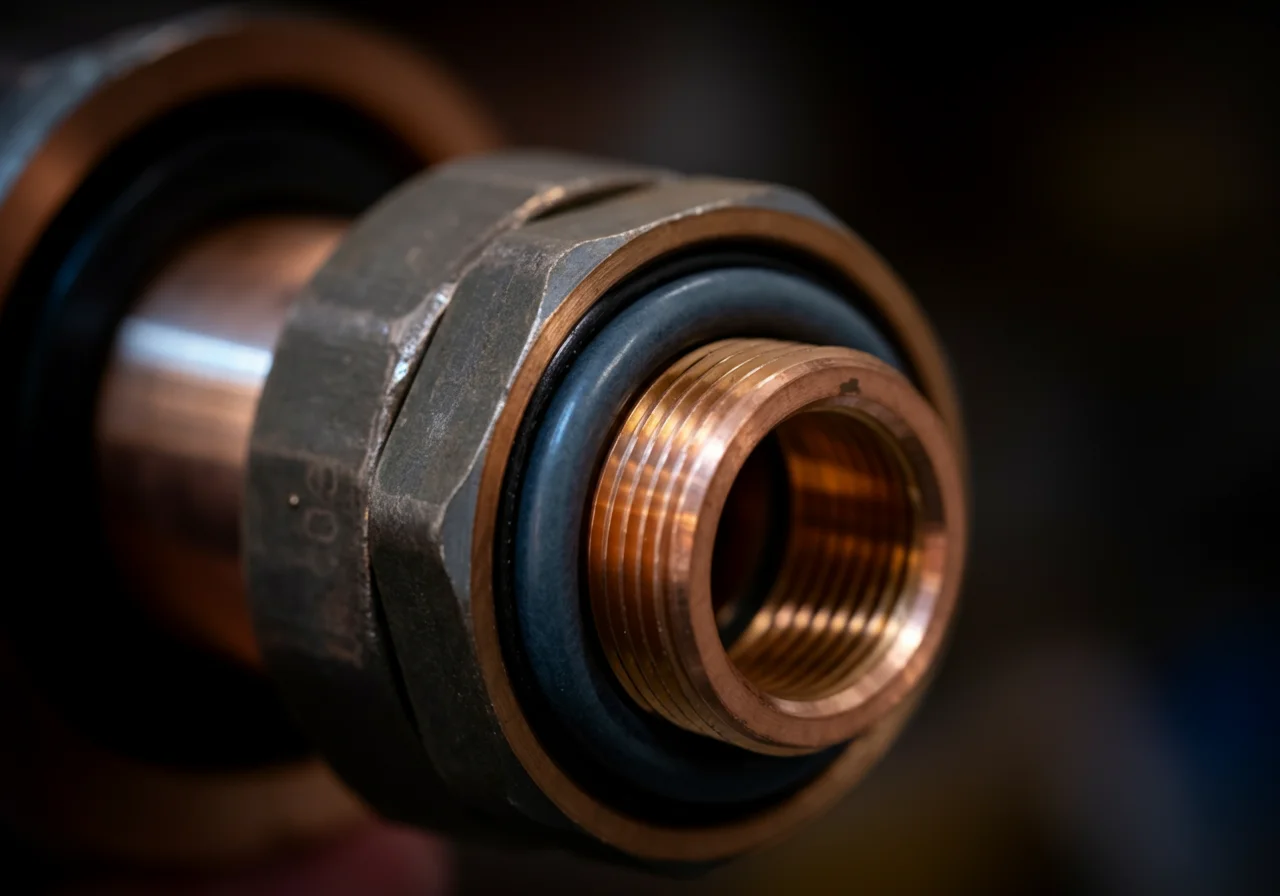
- Fuel Gas Piping (IFGC/NPC): Press fittings for gas must use O-rings listed for fuel gas service. FKM is almost universally required. Never use a standard water fitting with an EPDM O-ring for gas. The fitting body and O-ring are a tested assembly.
- Potable Water (IPC/UPC): All components, including O-rings, must comply with NSF/ANSI 61 for health effects and NSF/ANSI 372 for lead content. EPDM compounds are standard and must be certified.
- System Pressure & Temperature: The O-ring must be rated for the system’s design conditions per code (e.g., IPC 604.7). Exceeding the temperature rating will cause the elastomer to harden and crack (thermal degradation).
Toolbox
Proper installation is as crucial as material selection. The press tool must be correctly calibrated to achieve the specified gland compression on the O-ring without damaging it.
- Press Tool: Use a manufacturer-calibrated tool like Ridgid or Milwaukee. Ensure the jaw set matches the fitting size and system type (e.g., gas vs. water).
- Inspection & Preparation: Visually inspect every O-ring before assembly. Look for nicks, flat spots, or contamination. The pipe end must be deburred with a quality deburring tool to prevent cutting the seal during insertion.
- Lubrication: Use only the lubricant provided or specified by the fitting manufacturer. Universal lubricants may degrade specific O-ring compounds.
⚠️ Safety Warning
Always shut off and depressurize the system before any work. For gas lines, purge the line and verify zero pressure with a manometer. For electrical systems powering press tools, ensure the circuit is de-energized. Wear appropriate PPE, including safety glasses. Failure to use the correct, manufacturer-specified O-ring for the application can lead to catastrophic leaks, property damage, fire, or explosion.
External References
For definitive chemical compatibility data and temperature ratings, always consult the O-ring compound manufacturer’s technical datasheet. A foundational resource for understanding elastomer properties is provided by the Parker O-Ring Handbook.
Parker O-Ring Handbook (PDF).