Fleet Maintenance
The Diagnosis: A Proactive Fleet Maintenance Program is a Revenue Engine
For a plumbing or HVAC contractor, fleet maintenance is not an expense; it is a direct investment in operational continuity and profitability. Unplanned vehicle downtime results in missed appointments, emergency tow costs, and lost revenue. A structured, technical approach to maintaining your service vans and trucks prevents these failures, optimizes running costs like gas mileage, and protects your most mobile assets.
Technical Deep Dive: Building a Proactive Maintenance Schedule
A professional-grade maintenance schedule is tiered: daily driver/operator checks, scheduled service intervals, and seasonal/annual deep inspections. This system catches issues before they strand a technician.
1. Daily Operator Checks (5-Minute Pre-Trip)
- Fluid Levels: Check engine oil, coolant, brake fluid, and windshield washer fluid. Use the dipstick and marked reservoirs.
- Tire Inspection: Verify pressure (use a quality gauge like Milwaukee digital) against the door jamb PSI spec. Visually check for cuts, bulges, and tread wear.
- Light Function Test: Operate all headlights, brake lights, turn signals, and hazard lights.
- Cargo Securement: Ensure all tools, materials, and gas cylinders are properly strapped and braced to prevent shifting and vehicle damage.
2. Scheduled Service Intervals (Follow OEM Manual to the Letter)
Adhere strictly to the manufacturer’s maintenance schedule in the owner’s manual. Key intervals for a typical service van:
| Interval (Miles/Time) | Critical Services | Tools & Notes |
|---|---|---|
| 5,000 – 7,500 mi / 6 mo. | Oil & filter change, tire rotation, inspect brakes, suspension, and exhaust. | Use OEM-specified oil weight. Torque lug nuts to spec with a Ridgid torque wrench. |
| 15,000 – 30,000 mi | Replace engine air filter, cabin air filter, inspect fuel system, check transmission fluid. | A clogged air filter directly reduces gas mileage and power. |
| 30,000 – 60,000 mi | Replace brake fluid (hygroscopic), coolant flush, spark plugs, serpentine belt, differential fluid. | Brake fluid absorbs moisture, lowering boiling point and corroding ABS modules. |
| 60,000 – 100,000 mi | Timing belt/chain inspection (critical interference engines), transmission fluid service, shock/strut replacement. | Failure of timing component often causes catastrophic engine failure. |
3. Fuel System & Mileage Optimization
Poor gas mileage increases fuel costs and indicates underlying issues.
- OBD-II Diagnostics: Use a professional scan tool (e.g., Fluke diagnostic series) to check for fuel trim or oxygen sensor codes that affect combustion efficiency.
- Tire Pressure: Under-inflated tires are a top cause of reduced fuel economy. Maintain PSI at OEM spec, not sidewall max.
- Reduce Idling: Implement a policy to limit warm-up idling to 30 seconds and use auxiliary power for job-site climate control.
- Aerodynamic Load: Keep ladder racks empty when not needed and remove unnecessary roof boxes to reduce drag.
4. Cargo Area & Service Body Integrity
- Monthly inspection of shelving, drawer slides, and partition mounts for loose fasteners.
- Lubricate locks and hinges with dry graphite or silicone spray to prevent corrosion.
- Check for water intrusion in compartments that store sensitive tools or electrical equipment.
Code & Compliance: Beyond the Vehicle
Vehicle maintenance intersects with workplace safety regulations and material handling codes.
- OSHA 29 CFR 1910.178: If your fleet includes forklifts or powered industrial trucks, this standard mandates regular inspections. The principles apply to any material-handling vehicle.
- DOT Regulations (49 CFR Part 396): For vehicles over 10,001 lbs GVWR, you must maintain a systematic inspection, repair, and maintenance record. While many service vans are under this threshold, it’s a best-practice model.
- Hazardous Material Transport: Vans carrying acetylene, refrigerants, or other regulated materials must have proper placarding, securement, and safety equipment (fire extinguishers) per DOT and NFPA codes.
Toolbox: Essential Gear for Fleet Upkeep
- Diagnostic Tool: A professional OBD-II scanner (e.g., Fluke 3040 FC Clamp Meter with Bluetooth) for reading live data and advanced codes.
- Torque Tools: A calibrated torque wrench (Ridgid micrometer model) for critical fasteners like lug nuts and suspension components.
- Fluid Management: A fluid extractor for easy oil changes and a spill containment kit for EPA-compliant fluid handling.
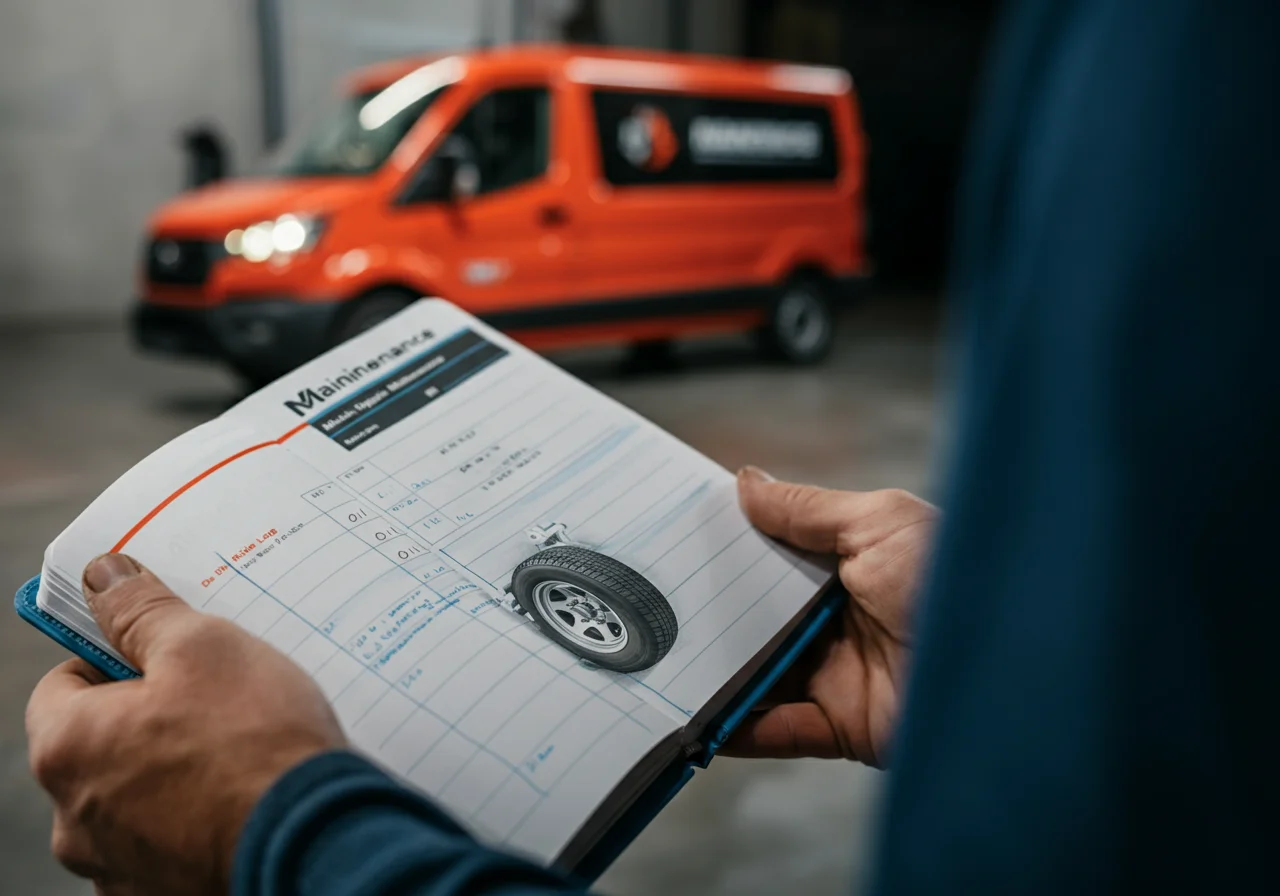
- Documentation System: A digital fleet management app or a dedicated binder to log all services, repairs, and tire rotations for each vehicle.
Safety Warning
ALWAYS engage the parking brake and use wheel chocks when performing any maintenance. For work requiring vehicle lift, use jack stands rated for the vehicle’s weight—never rely solely on a hydraulic jack. Ensure the work area is well-ventilated when running engines or handling fluids. Wear ANSI-approved safety glasses and gloves.
External Reference
For the definitive technical specifications and maintenance schedules for your specific vehicle, always refer to the manufacturer’s official documentation. As an example of the depth of information available, you can review the structure of a typical service manual via the National Highway Traffic Safety Administration (NHTSA) vehicle manual archive.