Inventory Tracking
The Diagnosis: Inefficient Truck Stock Management
For plumbing and HVAC contractors, poor inventory tracking of truck stock directly translates to lost billable hours, frustrated customers, and eroded profit margins. The core problem is an unmanaged system for the common fittings, sealants, and replacement parts carried in every service vehicle. Without a disciplined approach to tracking stock levels, technicians waste time on unnecessary supply house runs, cannibalize parts from other jobs, or make do with incorrect substitutions, compromising quality. Implementing a professional truck stock system is a non-negotiable operational requirement.
Technical Deep Dive: Building a Closed-Loop Inventory System
An effective system is methodical, not magical. It requires defined processes, the right tools, and consistent execution. Follow this step-by-step framework.
- Phase 1: Audit & Standardize
- Conduct a physical count of every item on every truck. Categorize items: Copper Fittings (½” – 1″), PVC DWV Fittings (1½” – 4″), HVAC Refrigerant Line Sets, Common Motors/Contactors, Sealants (Thread, PVC, Duct).
- Establish Par Levels for each item. This is the minimum quantity that triggers a reorder. For example: ½” Copper Couplings (Par Level: 10), 3-Ton A-Coil Drain Pans (Par Level: 2). Base this on historical weekly usage.
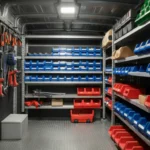
- Standardize the truck bin layout. Use shadow-boxed toolboxes (e.g., Milwaukee Packout or Ridgid Pro Gear) with labeled compartments. Identical organization across all vans simplifies training and auditing.
- Phase 2: The Tracking Mechanism
- Manual Card System: A low-tech, effective start. Use a laminated card per item/bin with columns for Date, Starting Count, Used, Remaining, and Technician Initials. The tech updates it at job completion.
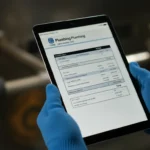
- Digital Mobile App: The professional standard. Use inventory-specific apps that allow barcode scanning. The tech scans the part used on-site, and the app deducts it from the truck’s virtual stock in real-time. This data syncs to the office for automated reordering.
- The Checkout/Check-in Process: All parts removed from main shop stock for truck restocking must be logged. This creates accountability and provides data for analyzing overall material costs.
- Phase 3: Replenishment & Reporting
- Designate a weekly “Van Stock Day.” Using the collected data (cards or app report), a warehouse manager or dispatcher pre-kits all replenishment items for each truck.
- Generate weekly reports on high-usage items to negotiate better pricing with suppliers and identify training opportunities (e.g., excessive coupling use may indicate poor pipe cutting practices).
Code & Compliance: The Indirect Link to Quality Assurance
While inventory tracking itself isn’t codified, the consequences of poor tracking directly impact code compliance and safety.
- IPC/UPC § 305.6 & IMC § 307.2 (Workmanship): Codes mandate installations to be “executed in a skilled and workmanlike manner.” Using incorrect or mismatched fittings from a poorly stocked van due to desperation violates this fundamental requirement.
- OSHA 1926.20(b)(1) & 1910.132(d): Employers must provide a place of employment “free from recognized hazards.” This includes ensuring employees have the correct materials to perform work safely. A lack of proper fittings can lead to jerry-rigged, hazardous installations.
- NEC § 110.12: Requires electrical work to be “installed in a neat and workmanlike manner.” An HVAC tech using the wrong gauge wire or connector because it was the only thing on the truck violates this standard.
Toolbox: Essential Gear for Inventory Control
This is not about wrenches, but about systems management tools.
| Tool Category | Example Brands/Products | Technical Purpose |
|---|---|---|
| Modular Jobsite Storage | Milwaukee Packout, DeWalt TSTAK, Ridgid Pro Gear | Provides standardized, lockable, and transportable compartmentalization for fittings and small parts. Critical for consistent physical organization. |
| Industrial Label Printer | Brother P-touch, Dymo Rhino | Creates durable, waterproof bin labels and barcode labels for individual part packages. Enables quick visual identification and digital scanning. |
| Digital Multimeter (For Audit) | Fluke 117, Klein Tools MM600 | While for electrical diagnosis, use its continuity function during audits to check for mismatched or unlabeled motors/contactors by verifying coil resistance against a master list. |
Safety Warning: Inventory & Hazardous Materials
Turn off and secure the vehicle before conducting a deep inventory audit. Properly segregate and secure hazardous materials. PVC cement and primers, refrigerant cylinders, and oxygen/acetylene tanks must be stored in compliant, ventilated, and secured compartments per OSHA 1926.152 (Flammable Liquids) and DOT regulations. An unsecured refrigerant tank becomes a projectile in an accident. Inventory control includes knowing what hazardous materials are on board and ensuring their safe storage.

External Reference for Standardization
For understanding the importance of standardized part identification, which is the foundation of any digital tracking system, review the concept of the Stock Keeping Unit (SKU). Developing a consistent internal SKU system for your common truck stock items is the first step toward automated tracking.
Advanced Implementation: From Tracking to Predictive Analytics
Once a basic tracking system is stable, data can be leveraged for advanced operational gains.
- Seasonal Par Level Adjustments: Increase par levels for boiler repair parts in fall, A/C components in spring. Use 12 months of usage data to forecast.
- Truck Profiling: Not all trucks need the same stock. A truck dedicated to commercial water heater service will have a different profile than one doing residential drain cleaning. Customize par levels per vehicle/technician specialty.
- Integration with Purchasing: Link inventory software with your accounting system. When truck stock hits a par level, the system can automatically generate a purchase order, streamlining the entire supply chain from van to vendor.
Ultimately, professional inventory tracking transforms your truck stock from a chaotic collection of parts into a strategic, capital-efficient asset. It ensures the right part is on the right truck at the right time, turning wasted drive time into productive, billable service time.