Review Management
The Diagnosis: Systematic Review Management for the Trades Professional
Effective review management is a non-negotiable technical skill for modern plumbing and HVAC contractors. It directly impacts your Google My Business ranking, lead generation, and overall business reputation. This guide provides a procedural framework for proactively generating 5-star reviews and a technical protocol for professionally handling negative feedback to protect and enhance your online presence.
Technical Deep Dive: The Proactive Review Generation Protocol
Asking for reviews is a process, not a plea. Implement this systematic approach to integrate review requests into your standard job completion procedure.
- Step 1: Pre-Qualify the Moment. The request must be timely and relevant. Only ask after the job is 100% complete, the worksite is clean, and the client has verbally confirmed satisfaction. This is your quality control checkpoint.
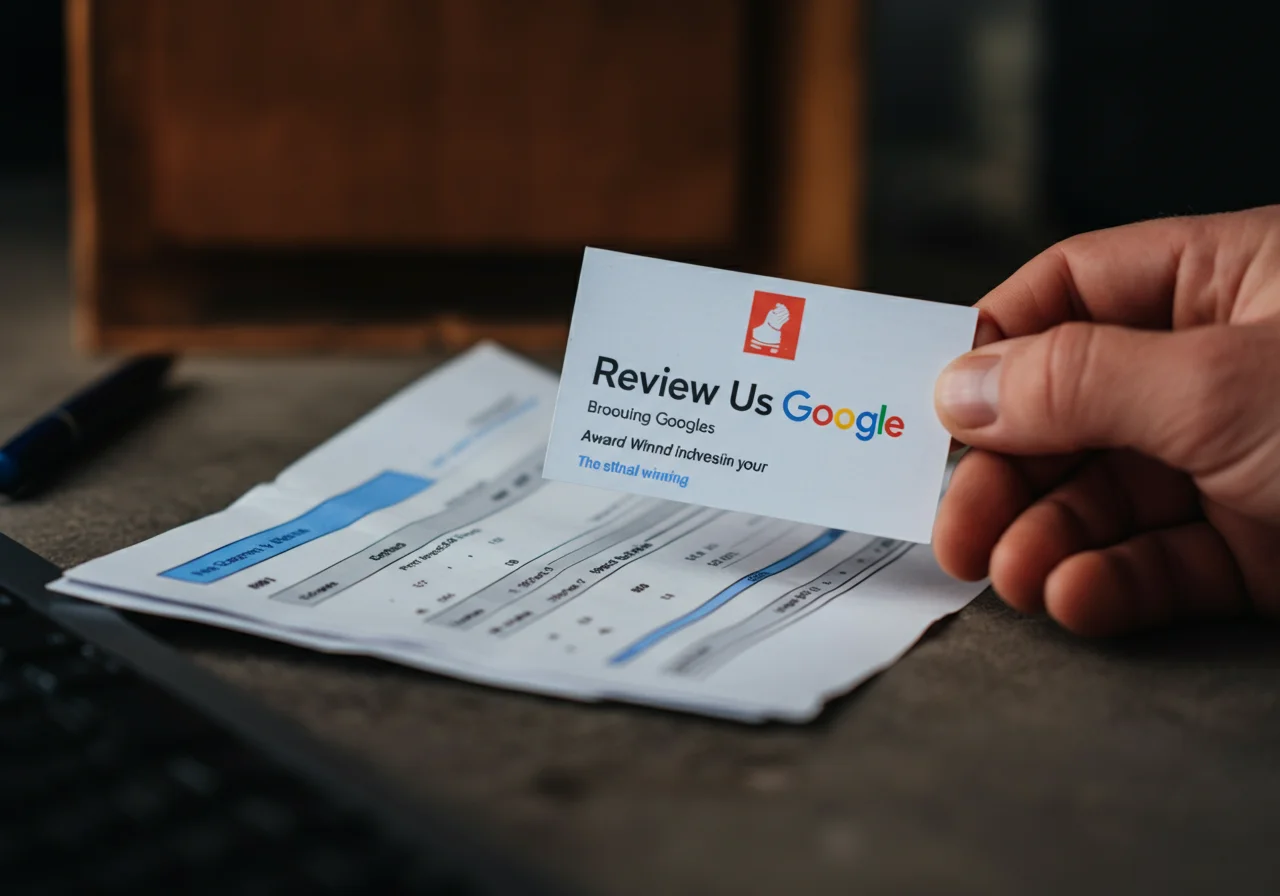
- Step 2: Use a Direct, Low-Friction Method. In person, use a clear script: “Mrs. Smith, I’m glad we got your water heater running perfectly. If you’re happy with our work, it would help our small business tremendously if you could share your experience on our Google My Business page. Would you be open to that?” Have a printed card with a simple URL or QR code linking directly to your GMB review interface.
- Step 3: Automate the Follow-Up. Within 24 hours of job completion, send a thank-you/service summary email. Include a direct, clickable link to your GMB review page. Use a professional customer relationship management (CRM) tool to automate this sequence. Tools like Jobber or Housecall Pro often have this functionality built-in.
- Step 4: Make it Easy. The link you send must go directly to the “Write a Review” prompt. Test it yourself. A generic link to your business profile adds friction and reduces completion rates.
Technical Deep Dive: The Negative Feedback Diagnostic and Resolution Procedure
A negative review is a system fault. Your response is the diagnostic and repair procedure. Never respond emotionally.
- Step 1: Immediate Acknowledgment (Diagnostic Scan). Publicly respond within 24-48 hours. Do not admit fault or argue. Use a standard template: “Thank you for bringing this to our attention, [Customer Name]. We take all feedback seriously. For us to investigate and resolve this, please contact our office manager directly at [phone/email].” This shows professionalism and moves the conversation offline.
- Step 2: Offline Investigation & Resolution (Troubleshooting). Contact the customer, listen without interruption, and review your job notes. Determine the root cause: Was it a communication breakdown, a parts failure, or a technician error? Offer a fair and specific solution—a return service call, a discount, or a refund.
- Step 3: The Follow-Up Repair (Closing the Loop). Once resolved, politely ask the customer if they would consider updating their review to reflect the resolution. Do not demand it. If they do not update it, you can post a final, professional public reply: “We appreciate the opportunity to make this right. We’re glad we could resolve the issue with [brief, non-defensive summary of solution] on [date].” This demonstrates outstanding customer service to future prospects reading the thread.
- Step 4: Internal Corrective Action (Preventative Maintenance). Use the negative feedback to improve your process. Was there a training gap? A faulty part batch? A scheduling error? Document it and adjust your standard operating procedures to prevent recurrence.
Code & Compliance: The Regulatory and Ethical Framework
While there is no “plumbing code” for reviews, your actions are governed by business ethics, platform terms of service, and advertising law.
- FTC Endorsement Guidelines: You must never offer cash, discounts, or free services in exchange for a positive review. This is deceptive. You can offer an incentive for an *honest* review, but you must disclose that incentive was provided. The cleanest practice is to ask for reviews without any conditional incentive.
- Google My Business Policies: Google prohibits review gating (only asking happy customers for reviews), buying/selling reviews, and posting reviews on behalf of customers. Violations can lead to listing suspension. Adhere strictly to Google’s prohibited and restricted content policies.
- Professional Licensure Boards: In many states, conduct that constitutes “fraudulent, deceptive, or dishonest” advertising can be grounds for disciplinary action against your contractor’s license. Maintaining a truthful online reputation is part of professional compliance.
Toolbox: Platforms and Software for Systematization
Manual tracking is inefficient. Utilize professional-grade tools to manage your reputation system.
| Tool Type | Function | Example Brands/Platforms |
|---|---|---|
| CRM/Job Management | Automates post-job review request emails and SMS. | Jobber, Housecall Pro, ServiceTitan |
| Review Monitoring & Aggregation | Centralizes alerts for new reviews across Google, Yelp, etc. | Birdeye, Podium, Grade.us |
| Direct Feedback Channel | Captures negative feedback privately via text before it becomes a public review. | Podium, Textline |
Safety Warning & Best Practices
WARNING: Never argue with a customer online, even if they are factually wrong. A public argument is permanent and damages your reputation far more than the initial negative review. Always take the high road to de-escalate. Furthermore, ensure any staff trained to respond to reviews understands these compliance and ethical guidelines to avoid liability.
External Reference for Platform Policy
For the definitive source on allowable practices, always refer to the official platform guidelines. Google’s policies are the most critical for local search visibility. You can review them in detail here: Google Business Profile Prohibited and Restricted Content.