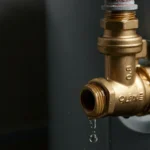
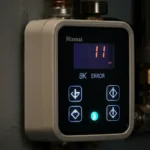
Gas Valve Failure Signs
The Diagnosis: Identifying a Critical Safety Component Failure
A gas valve failure in a water heater is a serious malfunction that compromises safety, efficiency, and operation. The primary challenge for technicians is accurately diagnosing a faulty main gas control valve versus a simpler, more common issue like a bad thermocouple or pilot assembly. Misdiagnosis leads to unnecessary part replacement, extended downtime, and potential safety hazards. This guide provides the systematic approach needed to isolate the root cause.
Technical Deep Dive: Step-by-Step Diagnostic Procedure
Always begin with safety: Turn off the gas supply at the manual shut-off valve and turn off electrical power to the unit. Allow the appliance to cool completely. Once safe, follow this logical diagnostic sequence to pinpoint the issue.
Step 1: Pilot Light Observation & Thermocouple/Millivolt Test
This step isolates the pilot safety circuit. A pilot that will not stay lit often points to the thermocouple or pilot assembly, not the main valve.
- Observe: Attempt to light the pilot per the manufacturer’s instructions. Does it ignite but go out immediately when the control knob is released from the “Pilot” position?
- Test the Thermocouple: Use a multimeter set to millivolts (mV) DC. With the pilot lit and the control knob depressed, disconnect the thermocouple lead from the gas valve. Place one probe on the disconnected thermocouple spade terminal and the other on the thermocouple’s copper sheath. A healthy thermocouple should generate 18-35 mV. A reading below 12-15 mV indicates a weak thermocouple.
- Check for Voltage at the Valve: Reconnect the thermocouple. With the pilot lit and knob released to “On,” measure mV between the valve’s TH/TP and TP terminals. This is the voltage the thermocouple is producing under load. If it’s significantly lower than the open-circuit reading, the valve’s internal magnet may be weak, but this is rare. A zero reading with a good open-circuit thermocouple points to a valve failure.
Step 2: Assessing the Main Gas Valve Operation
If the pilot stays lit but the main burner does not ignite, the fault lies in the main valve or its control circuit (thermostat, ECO).
- Check Thermostat Demand: For mechanical valves, turn the temperature dial up. You should hear a faint click from the gas valve as the thermostat calls for heat.
- Test Valve Input Voltage (Electronic/Ignition Systems): For systems with a hot surface igniter or intermittent pilot, use your multimeter on AC Volts. Check that 24V (or 120V, per schematic) is present at the valve’s primary terminals when the thermostat calls for heat. No voltage means a problem upstream (transformer, control board, thermostat, ECO). Correct voltage present means the valve is likely faulty.
- Listen and Smell (Cautiously): When the main valve is commanded to open, you may hear a distinct “clunk” or solenoid click from the valve body. Never rely on this alone. A very slight gas odor may be present at the burner assembly if the valve opens partially, indicating an internal obstruction or seal failure.
Step 3: Distinguishing Valve Failure from Sensor Issues
| Symptom | Points to Thermocouple/Pilot Issue | Points to Gas Valve Failure |
|---|---|---|
| Pilot will not stay lit | Weak thermocouple mV output. Dirty or misaligned pilot orifice. Draft blowing out pilot. | Valve’s pilot safety magnet/coil is defective (confirmed by correct thermocouple mV at valve terminal under load). |
| Pilot is lit, no main burner | Faulty thermostat (no click, no continuity). Tripped ECO (reset button may be popped). | No solenoid click with correct input voltage. Burner orifice clogged (rare, usually upstream of valve). Internal valve diaphragm or seat failure. |
| Main burner will not shut off | Thermostat stuck closed (rare). | CRITICAL VALVE FAILURE. Internal valve seat is damaged, allowing continuous gas flow. Shut off gas supply immediately at manual valve and call a professional. |
| Intermittent operation | Loose thermocouple connection. Fluctuating pilot flame quality. | Failing valve solenoid or internal debris causing sporadic operation. |
Code & Compliance
All gas appliance repair falls under strict code jurisdiction to ensure safety.
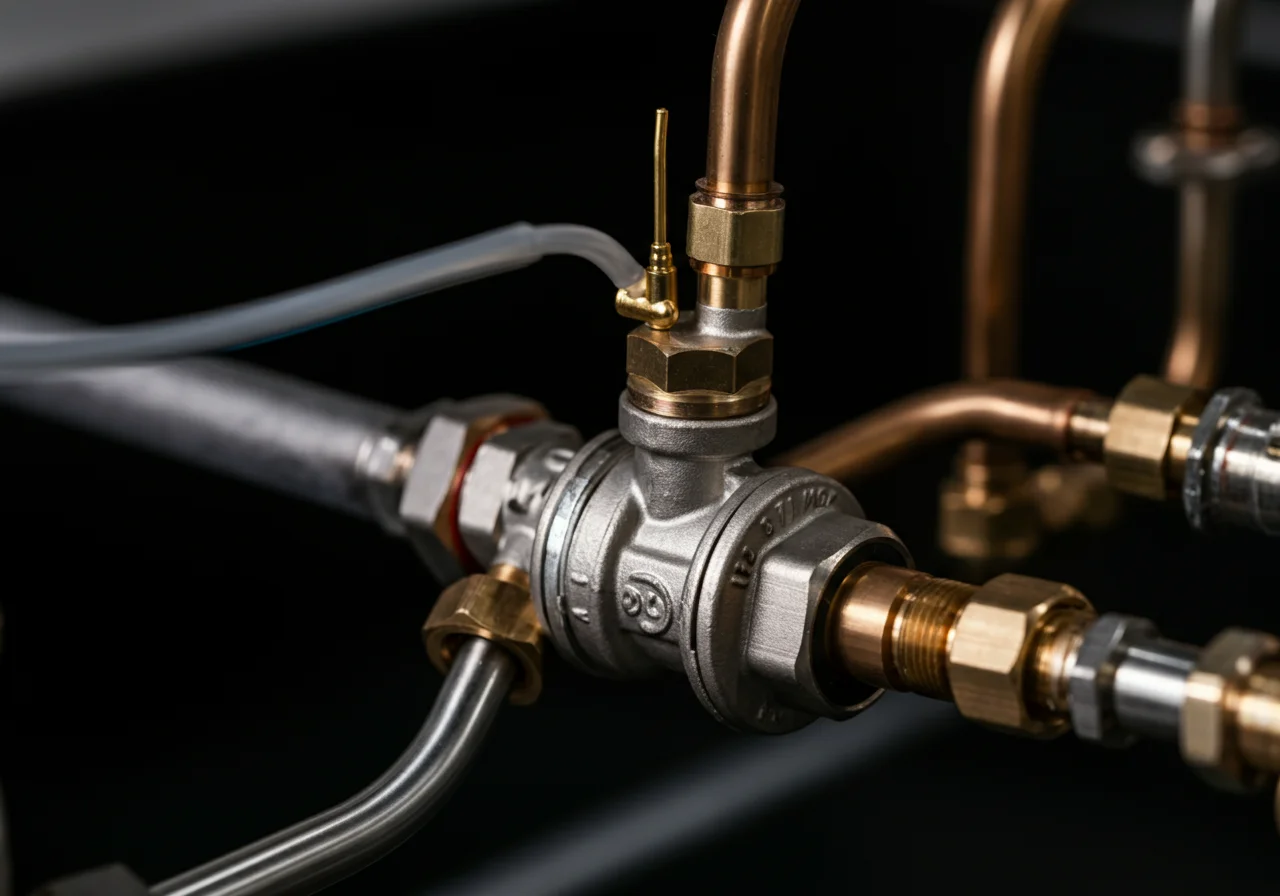
- International Fuel Gas Code (IFGC) & Uniform Plumbing Code (UPC): Sections governing gas piping, appliance connections, and venting. IFGC 406 requires that gas appliances be installed and maintained in accordance with the manufacturer’s instructions. Tampering with or bypassing safety controls is a direct code violation.
- Manufacturer’s Instructions: These are considered code by reference. Valve replacement must match the BTU rating, gas type (natural/LP), and input specifications of the original.
- Leak Testing: UPC 1212.1 mandates that after any gas connection is opened, the system must be tested for leaks with a approved leak detection solution or instrument. Never use an open flame.
Toolbox
Proper diagnosis requires the right tools. For electrical testing, a high-quality digital multimeter like those from Fluke is essential for accurate mV and V readings. For disassembly and reassembly, reliable adjustable wrenches and nut drivers from brands like Milwaukee or Ridgid ensure you don’t round fittings. A manometer is the definitive tool for testing gas valve outlet pressure, but its use requires advanced training.
Safety Warning & Final Protocol
If you suspect a gas valve failure—especially a valve that will not close—your first and only action is to shut off the gas supply at the manual shut-off valve upstream of the appliance. Do not operate electrical switches. Ventilate the area and contact a licensed professional immediately. Gas valves are precision safety devices. While thermocouples are considered a wear item and are user-replaceable in many jurisdictions, replacing a main gas control valve often requires a licensed gas fitter or plumber to ensure proper installation, pressure setting, and leak testing, as per local code.
External Reference
For a deeper understanding of the thermoelectric pilot safety principle used in most standing pilot gas valves, refer to this technical resource:
Thermocouple Principle (Wikipedia). This explains the fundamental science behind the millivolt generation critical to your diagnosis.