AAV Installation Code
The Diagnosis: Understanding AAV Code Restrictions
An Air Admittance Valve (AAV) is a mechanical, one-way valve designed to allow air to enter a plumbing drainage system to balance pressure and prevent trap siphonage, but it does not permit sewer gases to escape into the living space. The core technical and legal issue for any installer is that AAV installation is not a universal solution. It is a code-prescribed alternative to traditional open vent pipes, with strict limitations on its application. Misapplication can lead to system failure, code violations, and health hazards.
Technical Deep Dive: Where and How to Install an AAV
Correct venting with an AAV requires adherence to a strict set of physical and jurisdictional rules. Follow this step-by-step protocol.
- Location Scrutiny: The valve must be installed within the maximum developed length permitted for the fixture trap it serves, as per the code (typically 4 feet for a 1.5″ trap). It must be accessible for inspection and replacement. It cannot be concealed inside a wall or permanent enclosure.
- Vertical Orientation is Mandatory: The AAV must be installed vertically, with the diaphragm operating in a plane perpendicular to the floor. Installing it on its side or upside down will cause failure.
- Minimum Height Above Drain Line: The AAV must be installed a minimum distance above the fixture’s trap weir and the drain line it serves. The International Plumbing Code (IPC) requires it to be at least 4 inches (102 mm) above the top of the drain line it vents.
- Inside the Building Drainage Ventilation System: AAVs are only permitted to vent fixtures or branch drains. They cannot be used to vent the building’s primary stack or the main building drain (soil stack). At least one traditional open vent pipe must extend outdoors to handle the bulk of the system’s air exchange.
- Verify Local Amendments: Before any installation, confirm with your local building department. Some jurisdictions, including the entire state of Illinois, prohibit AAVs entirely under their Uniform Plumbing Code (UPC) adoption.
Code & Compliance: The Legal Framework for AAVs
Your authority on the jobsite comes from knowing the code book. Here are the critical citations.
| Code | Section | Key Restriction |
|---|---|---|
| International Plumbing Code (IPC) | Chapter 9, Section 917 | Defines where AAVs may be used. Prohibits use for chemical waste systems, sump or ejector systems, and where vents connect to a recirculating system. Requires a minimum of one open vent to atmosphere. |
| International Plumbing Code (IPC) | Chapter 9, Section 917.4 | Mandates that AAVs shall be installed a minimum of 4 inches above the horizontal branch drain or fixture drain being vented. |
| International Plumbing Code (IPC) | Chapter 9, Section 917.5 | Requires AAVs to be installed in a location that allows for free movement of the mechanism, with access for inspection and replacement. They must be located within the developed length of the fixture trap. |
| Uniform Plumbing Code (UPC) | Chapter 3, Section 310.2 | Generally does not recognize AAVs for above-ground systems, limiting their use primarily to manufactured housing or by special permission. This makes UPC jurisdictions far more restrictive. |
| OSHA (29 CFR 1926) | General Duty Clause | Requires a workplace free from recognized hazards. Installing an AAV in a prohibited location, risking sewer gas exposure, could be cited under this clause. |
⚠️ Safety Warning
Before cutting into any drain line, ensure the system is not under load. Shut off water supply to related fixtures. When working in a crawlspace or near other systems, use proper personal protective equipment (PPE) including gloves and eye protection. Testing for sewer gas leaks after installation with a non-toxic smoke test is a professional best practice.
Toolbox: Essential Gear for a Code-Compliant Install
Using professional-grade tools ensures a leak-free, durable installation that will pass inspection.
- Pipe Cutting & Preparation: A quality tubing cutter (like a Ridgid cutter) provides a clean, square cut on PVC or ABS pipe, which is critical for proper solvent weld joints.
- Measurement & Verification: A high-quality torpedo level and tape measure are non-negotiable for verifying the mandatory vertical orientation and height requirements.
- Installation: Use code-approved solvent cement and primer specific to your pipe material (PVC or ABS). Do not use all-purpose cement.
Prohibited Applications: Where You CANNOT Use an AAV
Understanding the “where not” is as important as the “how to.” The following are explicit code prohibitions for Air Admittance Valve use:
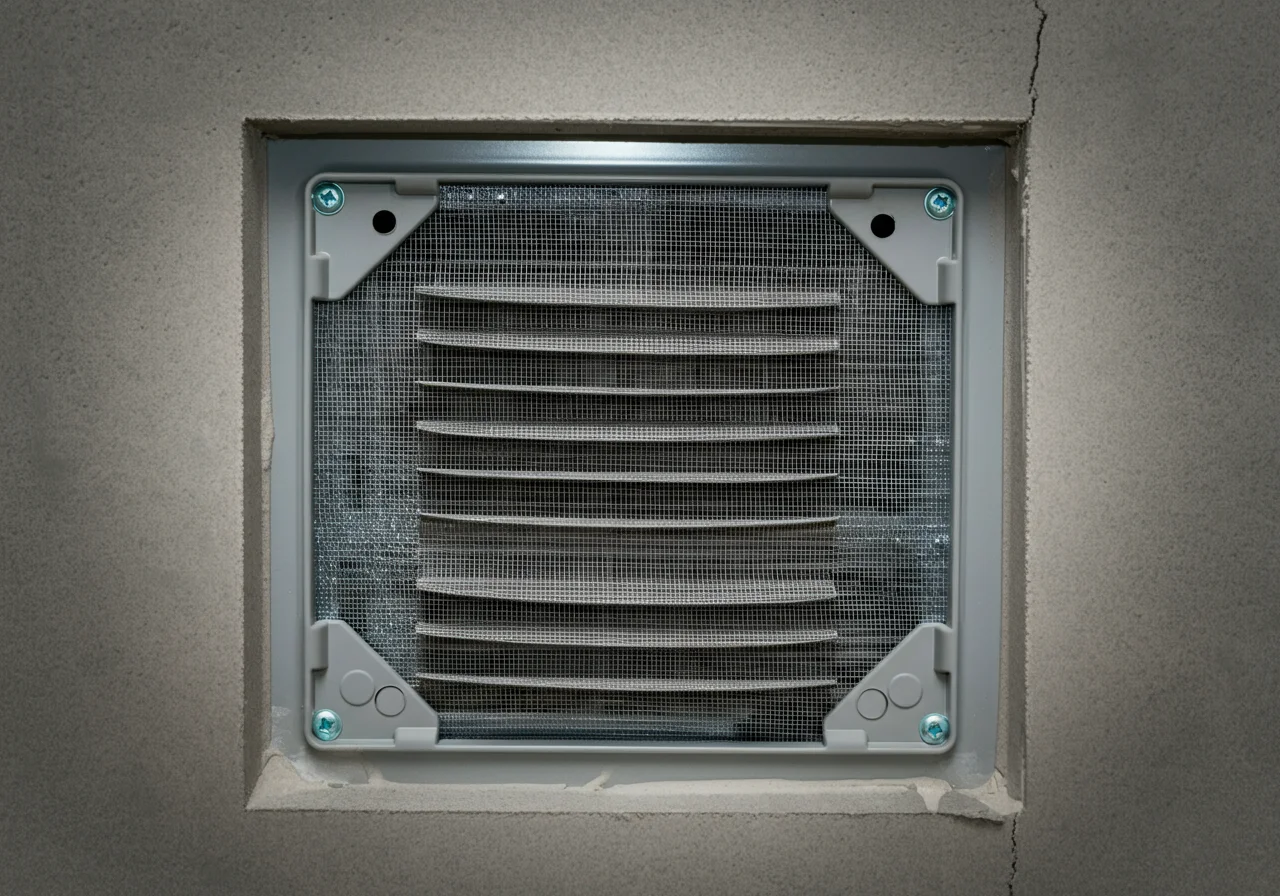
- Primary or Main Stack Venting: The building’s primary vent stack must always be open to atmosphere.
- Chemical Waste Systems: Vents for labs, darkrooms, or industrial drains handling corrosive chemicals.
- Sump and Ejector Pumps: These systems require open venting due to the potential for positive pressure and volatile gases.
- Below-Floor (In-Slab) Traps: AAVs cannot be used to vent fixture traps located below the finished floor level.
- Outdoors or in Unconditioned Spaces: Most AAVs are not rated for freezing temperatures. If installed in an attic or crawlspace, the space must be insulated to protect the valve diaphragm.
- In Lieu of a Roof Penetration for a New Stack: An AAV cannot be used simply to avoid creating a new, code-compliant roof penetration for a new plumbing group.
External Reference for Technical Specifications
For definitive engineering data on valve operation, flow rates, and performance standards, consult the manufacturer’s specifications and the relevant ASTM standard. The ASTM F1412 Standard Terminology for Mechanical Valves in Plumbing provides the formal technical definitions and testing parameters for devices like AAVs.
Final Inspection Checklist
Before calling for a final inspection, run through this list:
- ✅ Valve is installed vertically and is plumb.
- ✅ Valve inlet is at least 4 inches above the drain line being vented.
- ✅ Valve is accessible (e.g., behind a removable access panel, not drywalled over).
- ✅ The system has at least one open vent pipe extending to the outdoors.
- ✅ All solvent-weld joints are fully cured and show a proper bead of cement.
- ✅ Local jurisdiction permits the use of AAVs for this specific application.
- ✅ Valve is listed and labeled by a recognized testing agency (IAPMO, ICC-ES).
Mastering AAV installation code is about recognizing it as a specialized tool for specific venting challenges, not a blanket replacement for proper atmospheric venting. Its correct use saves time and material while maintaining the health and integrity of the drainage system. Always defer to the most restrictive code in your area—when in doubt, run the pipe out.