Apprentice Tool List
The Diagnosis: The Non-Negotiable Starter Kit for a First-Year Plumbing Apprentice
Your success as a first-year plumbing apprentice hinges on preparedness and safety. An Apprentice Tool List is not a suggestion; it is a mandatory inventory of reliable hand tools and personal protective equipment (PPE) that allows you to work effectively, learn proper techniques, and meet job site requirements from day one. This guide details the essential tools, separating foundational items from advanced purchases, and grounds every recommendation in practical job-site application and code compliance.
Technical Deep Dive: Building Your Core Tool Arsenal
Invest in quality tools from reputable brands like Milwaukee (hand tools) or Ridgid (pipe tools) to ensure durability and accuracy. This list is organized by task frequency and criticality.
Essential Measuring & Layout Tools
- 25-Foot Tape Measure: A standard, lockable tape with clear fractional inch markings. Look for a sturdy blade and a belt clip.
- Torpedo Level (9″ or 12″): Must have vials for 0°, 45°, and 90°. Magnetic base is highly recommended for working with steel pipe and fixtures.
- Speed Square: Used for quick layout of cut lines on pipe and marking 45° and 90° angles.
- Chalk Line (100-Foot): For snapping long, straight reference lines for drainage pipe runs or fixture layouts.
- Mechanical Pencil & Utility Knife: For precise marking on various materials.
Non-Powered Cutting & Gripping Tools
- Hacksaw & Blades (18 TPI & 24 TPI): The universal cutter for pipe, bolts, and strapping. Carry both blade types for metal and plastic.
- Tubing Cutter (for Copper & Plastic): A Ridgid or equivalent wheel-type cutter for clean, square cuts on 1/2″ to 1″ tubing. Avoid using a hacksaw on copper.
- Adjustable Wrenches (2): One 10″ and one 12″. These are your go-to for fittings, supply lines, and fixture nuts. Always pull toward the adjustable jaw for safety.
- Channel-Lock Pliers (2 sizes): Commonly 10″ and 12″. Used for gripping, turning, and holding. The 10″ is ideal for sink supplies; the 12″ for drain assemblies.
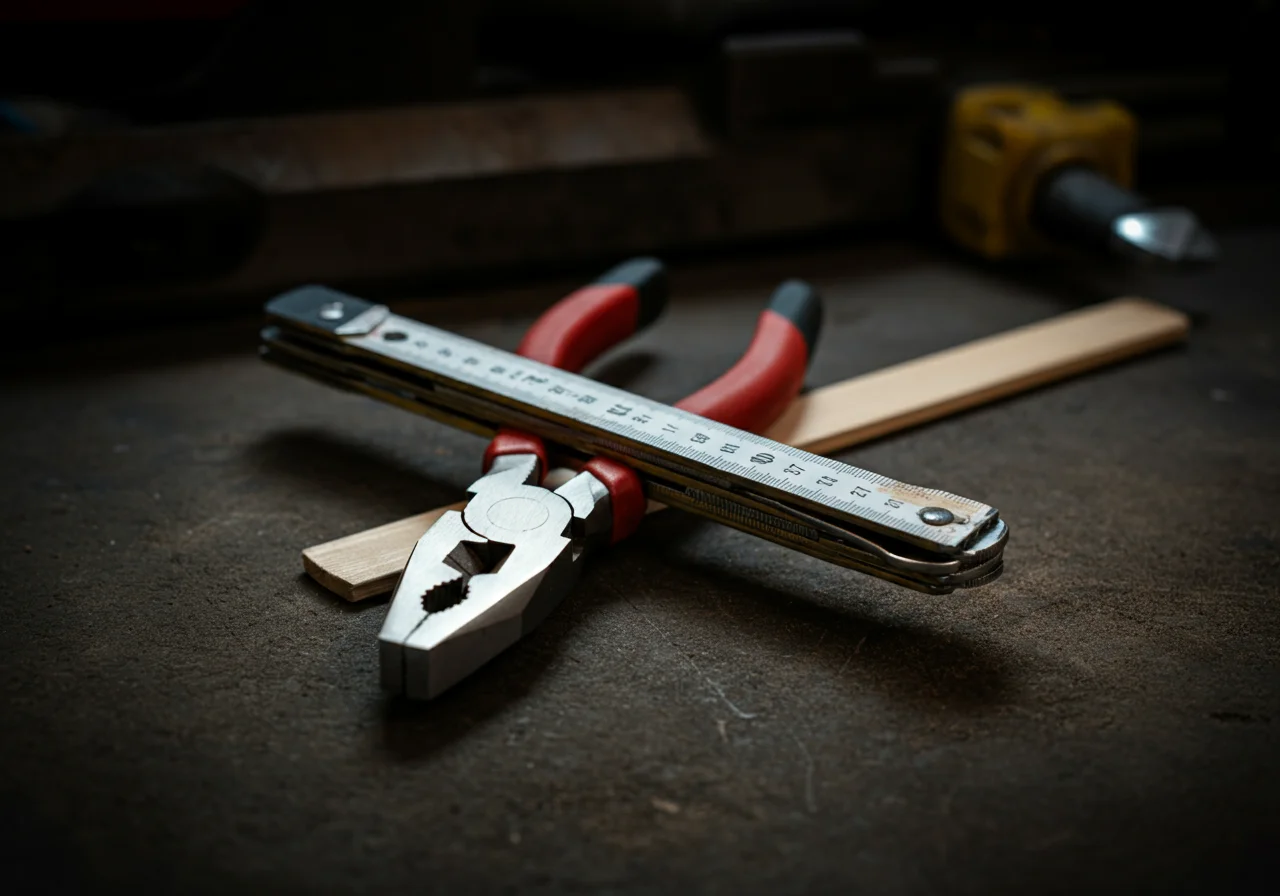
- Slip-Joint Pliers: For general-purpose use and adjusting to various sizes.
- Tongue-and-Groove Pliers: Often called “Channellocks” (a brand name), these provide parallel jaw movement for large fittings.
Specialized Plumbing Hand Tools
- Pipe Wrenches: Start with one 14″ and one 18″ wrench. They work in pairs (one as a backup/holder). Aluminum bodies reduce weight.
- Basin Wrench: Mandatory for installing and removing sink faucet locknuts in tight spaces behind the basin.
- Deburring/Reaming Tool: Used after cutting copper or plastic pipe to remove the internal burr, which restricts flow and can cause turbulence (IPC Section 605.3 requires cut ends to be reamed to full bore).
- Handheld Propane Torch Kit: For soldering (sweating) copper joints. Must include a spark igniter, flame-spreader tip, and a roll of lead-free solder and flux.
Code & Compliance: The PPE That Keeps You on the Job
Personal Protective Equipment is not optional; it is an OSHA requirement and a condition of employment. Your safety is your responsibility.
| PPE Item | Technical Specification / Standard | Plumbing-Specific Hazard Mitigated |
|---|---|---|
| Safety Glasses | ANSI Z87.1+ impact rating | Metal filings, solder splatter, chemical splash, concrete chips. |
| Work Gloves | Cut-resistant (ANSI Level A3+) & general-purpose leather | Sharp pipe edges, abrasion from cast iron, handling rough materials. |
| Steel-Toe/Composite-Toe Boots | ASTM F2413-18 M/I/MT (Metatarsal guard recommended) | Falling pipes, tools, and crushing hazards in trench or construction sites. |
| Hearing Protection | NRR 25 dB or higher (disposable or earmuff) | Prolonged exposure to jackhammers, core drills, and shop tools. | Respirator | NIOSH-approved N95 or half-face with P100/organic vapor cartridges | Concrete dust, mold, solder fumes, solvent vapors (e.g., PVC cement). |
Safety Warning: Before any task, conduct a site-specific hazard assessment. Always lock out/tag out (LOTO) any electrical equipment you are working near, and confirm water and gas supplies are shut off and depressurized using appropriate gauges before disassembly.
Toolbox & Organization
A sturdy, mobile tool chest or a high-quality tool bag with multiple pockets is critical. Organize tools by function. Label drawers or compartments. Inventory your tools at the end of every day. A multimeter like those from Fluke is an advanced but highly valuable tool for verifying power is off before working on electric water heaters or pumps, aligning with NEC safety protocols.
Progression & Advanced Tool Acquisition
After mastering these essentials, discuss with your journeyman the next tools to acquire based on your specialization (e.g., service, new construction, medical gas). These often include:
- Internal pipe wrench (for tub spouts)
- PVC/ABS cutter (scissor-style for faster cuts)
- Flaring tool for flexible gas lines
- Digital angle finder
- Compact pipe threader
External Reference for Standards
For a definitive guide on occupational safety and health standards, including PPE requirements, always refer to the official OSHA Regulations website. This is the primary source for compliance in the United States.