Emergency Service Fee
The Diagnosis: Defining the Emergency Service Fee
An Emergency Service Fee is a premium charge applied to service calls dispatched outside of standard business hours, typically for urgent, time-sensitive repairs that cannot wait until the next regular business day. This fee is separate from labor and materials and compensates a plumbing or HVAC contractor for the operational and personnel costs of maintaining 24/7 readiness. For tradespeople, structuring this fee correctly is critical for business sustainability and managing customer expectations. The core challenge is justifying the premium pricing for after hours, weekend, and holiday service while maintaining transparency and professionalism.
Technical Deep Dive: Structuring Your Emergency Dispatch Pricing Model
A well-structured emergency pricing model protects your bottom line and sets clear boundaries. It is a business tool, not a penalty. Implement it in a tiered, transparent manner.
Step 1: Define Your Service Windows
- Standard Hours: Clearly state these (e.g., Monday-Friday, 8:00 AM – 5:00 PM). All calls within this window are at your standard service-call or hourly rate.
- After-Hours/Emergency Hours: This includes weekday evenings (e.g., 5:01 PM – 7:59 AM), all day Saturday and Sunday, and all recognized federal holidays.
Step 2: Establish the Fee Structure
The most common and defensible model is a multi-part charge:
- 1. Emergency Dispatch Fee (The “Trip Charge”): This is a flat fee, charged upon arrival, before any diagnostic work begins. It is non-negotiable and covers the cost of mobilization. This fee should be clearly communicated and agreed to over the phone before dispatch.
- 2. Premium Labor Rate: All labor performed during emergency hours is billed at a significantly higher hourly rate (e.g., 1.5x or 2x your standard rate). This clock starts upon arrival and includes diagnostic time.
- 3. Materials & Parts Markup: Standard parts markup applies, but be prepared for potential premium costs if you must source parts from special suppliers after hours.
Step 3: Implement Clear Communication Protocols
- Verbal Consent: Before dispatching a technician, verbally quote the emergency dispatch fee and the premium labor rate. State, “Our emergency service includes a $XXX dispatch fee, and labor is billed at $XXX per hour, with a one-hour minimum. Do you authorize this service?”
- Written Authorization: Upon arrival, the technician should present a service agreement detailing these fees for customer signature before commencing work.
- Invoicing Clarity: The invoice must itemize every charge separately: Emergency Dispatch Fee, Emergency Labor Hours, Parts.
Code & Compliance: The Regulatory and Ethical Justification
While pricing is not governed by plumbing or mechanical codes, the need for emergency service often is. Justifying your fee structure ties directly to code compliance and public safety.
- IPC & UPC Sanitation & Safety Mandates: Codes like the International Plumbing Code (IPC) § 606.1 and Uniform Plumbing Code (UPC) mandate that plumbing systems must be maintained in a safe and sanitary condition. A catastrophic sewer backup, a burst water line causing structural damage, or a complete loss of heat in freezing temperatures constitutes an immediate health and safety hazard. Your emergency service directly addresses these code-violating conditions.
- OSHA & Employer Responsibility: Maintaining an on-call roster requires compensating your technicians fairly for their disrupted personal time, travel at odd hours, and work in potentially more hazardous conditions (poor lighting, stressed customers). A robust emergency fee structure allows you to pay hazard or overtime pay compliantly, as suggested by OSHA’s Fair Labor Standards Act (FLSA) guidelines.
- Business Licensing & Insurance: Many jurisdictions require specific licensing or endorsements for 24/7 service. Your insurance premiums for general liability and automotive coverage are higher for after-hours operations. The emergency fee offsets these direct business costs.
Toolbox: Operational Tools for Emergency Dispatch
Efficient emergency service relies on more than wrenches. Your business “toolbox” needs systems for rapid response.
- Dispatch & Communication: Use reliable, dedicated business cell phones or dispatch software. Technicians should be equipped with vehicle tracking and mobile invoicing apps (like those from ServiceTitan or Housecall Pro) to generate and sign agreements on-site.
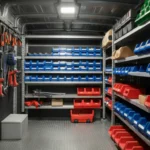
- Technician Readiness: Service vehicles, such as those built on a Ford Transit or Ram ProMaster platform, must be fully stocked with a broader range of common emergency parts (complete water heater elements, sump pumps, condensate switches, etc.) to minimize return trips.
- Safety Gear: After-hours work demands enhanced personal protective equipment (PPE): high-lumen headlamps (like those from Milwaukee), durable work lights, and personal safety alarms.
Pricing Strategy: How to Calculate Your Rates
Your rates must be data-driven. Use this table to analyze your costs.

| Cost Factor | Description | Impact on Pricing |
|---|---|---|
| Technician Compensation | Overtime pay, hazard pay, minimum call-out pay (e.g., 4 hours), vehicle allowance. | Directly determines your minimum premium labor rate. Calculate your fully burdened hourly cost for emergency time. |
| Overhead Allocation | 24/7 answering service, dispatch software, increased insurance premiums, administrative support for after-hours billing. | This cost is covered by the flat Emergency Dispatch Fee. Tally monthly costs and divide by projected number of emergency calls. |
| Vehicle & Inventory Cost | Higher vehicle wear, fuel surcharges, cost of maintaining a larger on-board inventory. | Factor into both the dispatch fee and a slightly higher parts markup for emergency calls. |
| Market Rate Analysis | Research what other reputable, licensed contractors in your area charge for emergency service. | Ensures your rates are competitive yet reflective of your service quality. Do not compete solely on price in this segment. |
Safety Warning & Best Practices
SAFETY WARNING: Always instruct customers to shut off the main water valve or disconnect power at the breaker panel before your arrival if the situation is critical (e.g., major leak, electrical smell). This mitigates damage and creates a safer worksite for your technician. Never dispatch a technician without verbal authorization of the emergency fees.
Best Practice for Customer Relations: Frame the emergency fee as a form of insurance. “This fee is what allows us to have a highly-trained technician and a fully-stocked truck ready to resolve your emergency at 11 PM, rather than tomorrow afternoon.” For loyal maintenance plan customers, consider offering a discounted emergency rate as a retention benefit.
External Reference
For a deeper understanding of employer obligations regarding compensation for on-call time, review the U.S. Department of Labor’s fact sheet on Overtime Pay under the FLSA. This provides the regulatory backdrop for why fair technician compensation necessitates a premium pricing structure.