Hepatitis B Vaccine
The Diagnosis: A Critical Occupational Health Hazard in Plumbing
For plumbing and HVAC professionals, exposure to Hepatitis B is a significant, documented occupational risk. The Hepatitis B vaccine is not merely a general health recommendation; it is a core component of a professional tradesperson’s personal protective equipment (PPE). This guide details the specific exposure pathways in our trade, the technical rationale for vaccination, and the compliance landscape that mandates it, framing immunization as a non-negotiable standard of practice for anyone handling sewage, bloodborne pathogens, or performing service in healthcare and residential settings.
Technical Deep Dive: Exposure Pathways and Mitigation
Plumbers and HVAC technicians encounter Hepatitis B virus (HBV) through direct contact with human blood and other potentially infectious materials (OPIM) present in sewage and wastewater. The virus is remarkably resilient, capable of surviving outside the body for at least seven days and remaining capable of causing infection. The primary exposure routes are:
- Sewage and Wastewater Contact: Service calls involving clogged drains, sewer line breaks, septic system failures, or toilet overflows bring you into direct contact with raw sewage, which can contain blood from various sources.
- Injury with Contaminated Sharps: A severe, high-risk exposure occurs when punctured by a needle or other sharp object improperly disposed of in a toilet or drain system. This is a direct blood-to-bloodstream exposure.
- Mucous Membrane/Skin Exposure: Splashes of contaminated fluid to the eyes, nose, mouth, or non-intact skin (cuts, abrasions, dermatitis) during cutting, snaking, or cleaning operations.
- Bioaerosols: Using high-pressure water jets or air for drain cleaning can aerosolize contaminated droplets, which can be inhaled or settle on mucous membranes.
The engineered control is the Hepatitis B vaccine. It is a series of 2, 3, or 4 shots that stimulate the body’s immune system to produce antibodies against the HBV surface antigen. Post-vaccination blood testing (anti-HBs) verifies immunity, which is typically lifelong.
Code & Compliance: OSHA’s Bloodborne Pathogens Standard
This is not optional. The U.S. Occupational Safety and Health Administration (OSHA) 29 CFR 1910.1030, the Bloodborne Pathogens Standard, is the governing regulation. It categorizes plumbing work where occupational exposure is “reasonably anticipated” as a covered activity.
- Employer Mandate: Employers must offer the Hepatitis B vaccine series, at no cost to the employee, to all workers with occupational exposure. This must be offered within 10 working days of initial assignment.
- Exposure Control Plan: A written plan is required, detailing compliance through methods like Universal Precautions (treating all human blood and OPIM as if infectious), PPE use, and work practice controls.
- Post-Exposure Protocol: In the event of an exposure incident (e.g., a needlestick), the employer must provide immediate medical evaluation and follow-up, which may include post-exposure prophylaxis. A vaccination history is critical here.
While the IPC and UPC govern the installation of sanitary systems, they do so with the presumption that installers and servicers are protected under OSHA guidelines. Adherence to 1910.1030 is a foundational element of professional practice.
Toolbox: Health Safety as Essential Gear
Just as you rely on quality tools for the job, consider the vaccine part of your essential kit. Your primary “tools” for bloodborne pathogen safety include:
| Category | Specific Items & Protocols | Purpose |
|---|---|---|
| Administrative Control | Hepatitis B Vaccination Series | Primary prevention; creates biological immunity. |
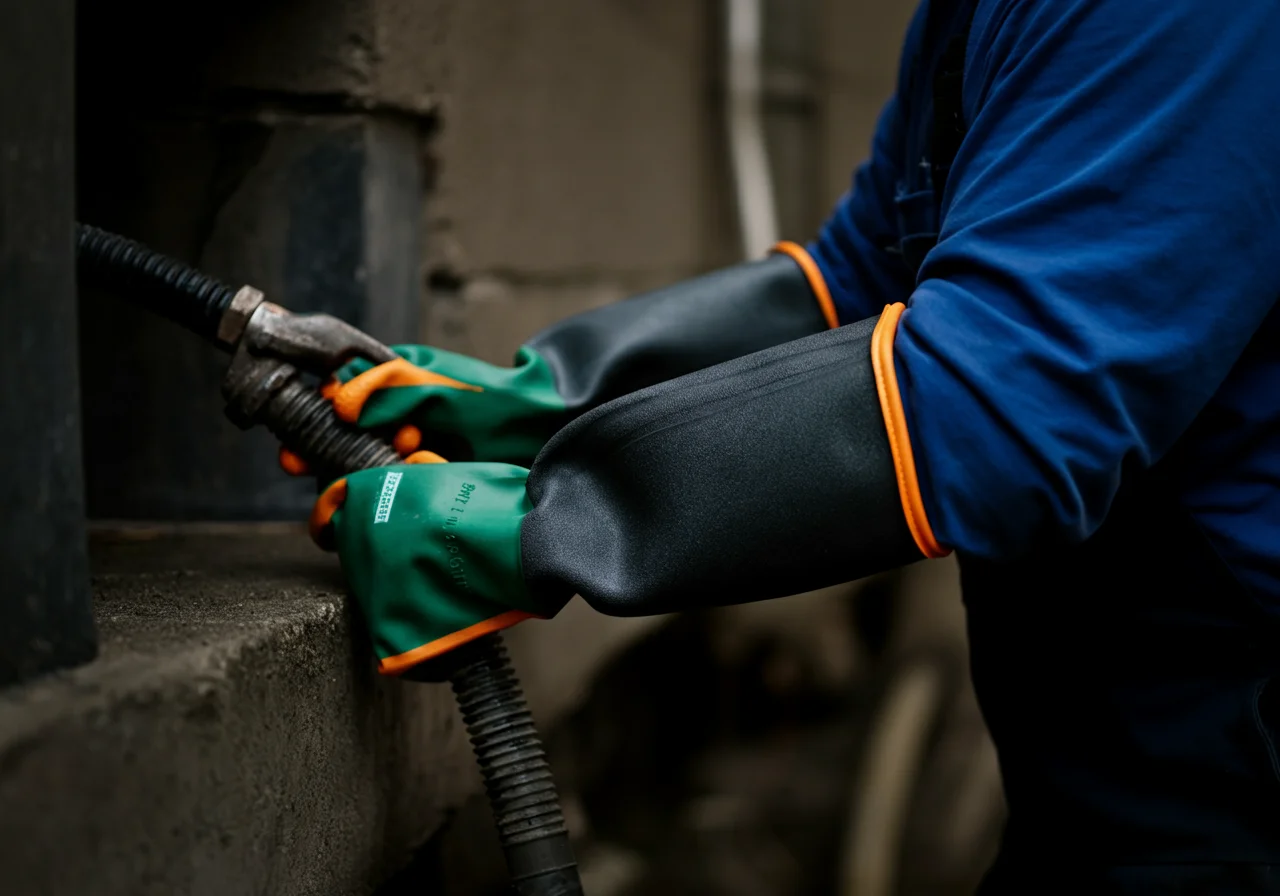
| Personal Protective Equipment (PPE) | Chemical-resistant gloves (e.g., nitrile), face shields or safety goggles, fluid-resistant coveralls, rubber boots | Creates a barrier against sewage and fluid contact. |
| Engineering Controls | Wet-vacuum systems for sewage extraction, needle-retrieval tools (e.g., Ridgid’s Grabber tool), sharps containers on-site | Removes hazard or creates a barrier between worker and hazard. |
| Work Practice Controls | Prohibiting bare-hand contact, no eating/drinking in work area, proper decontamination procedures for tools (using an EPA-registered disinfectant) | Reduces likelihood of exposure through procedure. |
Safety Warning: The Non-Negotiable Protocol
Before initiating any work involving sewage, wastewater, or drain cleaning: 1) Assume all waste is infectious. 2) Don appropriate, intact PPE—gloves, eye protection, and coveralls are a minimum. 3) Have a plan for handling discovered sharps. After an exposure incident (puncture, splash): 1) Immediately wash needlesticks and cuts with soap and water. 2) Flush splashes to the nose, mouth, or skin with water. 3) Irrigate eyes with clean water or saline. 4) Report the incident to your supervisor immediately to activate the medical follow-up and exposure reporting protocol. Time is critical.
External Reference for Technical Specifications
For authoritative, detailed information on the Hepatitis B virus, its stability in the environment, and the vaccine’s characteristics, professionals should consult the U.S. Centers for Disease Control and Prevention (CDC). Their page for healthcare providers offers the precise, science-based data that informs occupational safety protocols.
CDC: Hepatitis B FAQs for Health Professionals.
Conclusion: In the technical trades, risk management is engineering. You engineer systems to be safe and functional. Managing the biological hazard of bloodborne pathogens is no different. The Hepatitis B vaccine is a pre-installed, fail-safe biological engineering control. It is the most reliable and effective tool to mitigate a severe, proven occupational risk. Ensuring you and your crew are vaccinated and operating under a compliant OSHA Exposure Control Plan is a standard of professional responsibility, protecting your health, your livelihood, and your family.