Hiring Apprentices
The Diagnosis: Recruiting and Vetting Reliable Plumbing Apprentices
Hiring apprentices is a critical operational and strategic function for a sustainable plumbing or HVAC business. A reliable apprentice is a direct investment in your company’s future capacity, quality of work, and compliance. The core challenge is systematically identifying candidates with the right aptitude, work ethic, and integrity, then onboarding them within a strict framework of federal and state labor law and structured training. Failure in either area leads to jobsite liability, substandard work, and high turnover.
Technical Deep Dive: A Step-by-Step Hiring and Onboarding Protocol
Treat the hiring process with the same precision as a technical installation. This is a procedural system, not a gut-feel decision.
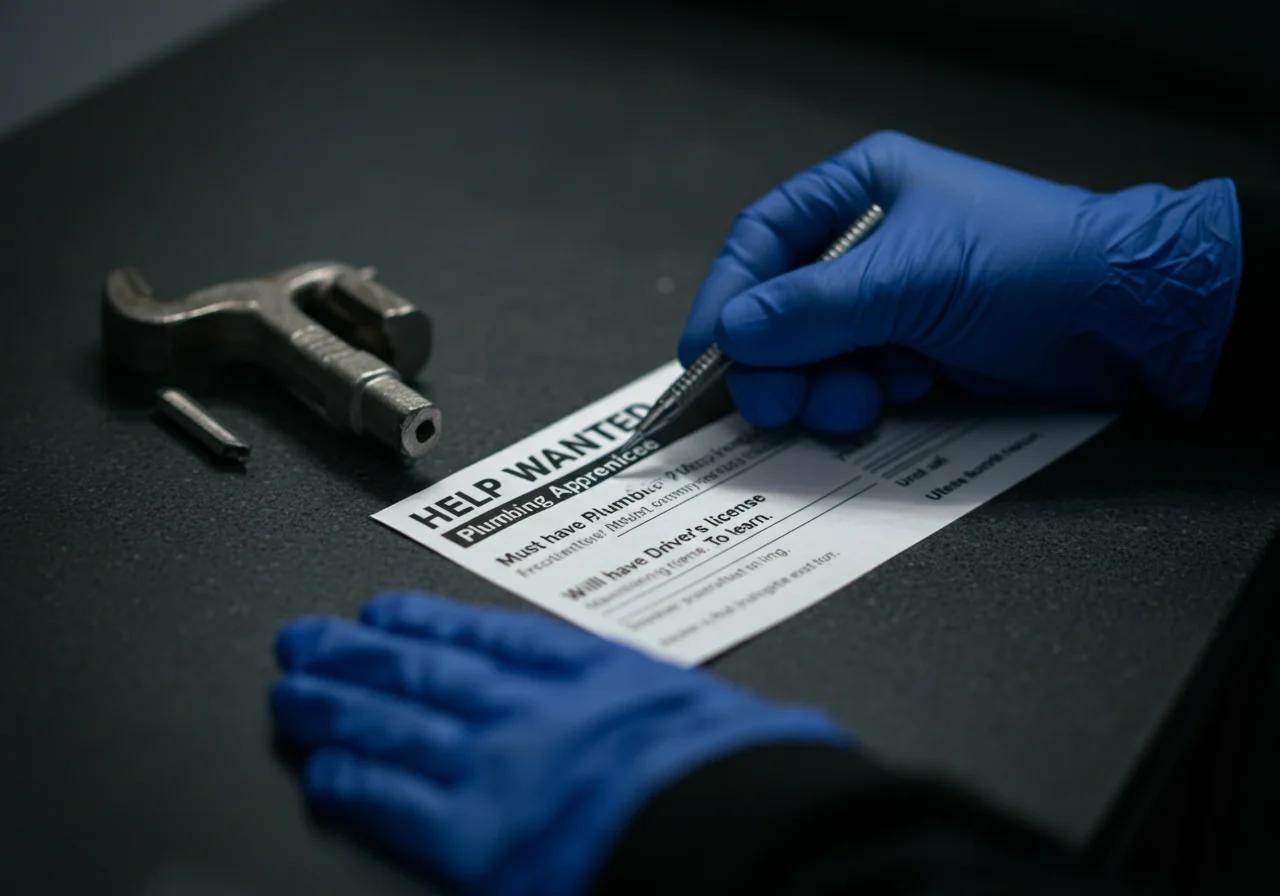
- Step 1: Define the Role with Technical Specificity. The job description must move beyond “helper.” List daily technical exposures: “Will assist in assembling 3/4″ copper lines using pro-press tooling,” “will learn to snake 3″ drain lines,” “will handle and stage Milwaukee M18 tools and Ridgid threaders.” This attracts candidates who understand the physical and technical nature of the work.
- Step 2: Structured Interview with Scenario Testing. Move past generic questions. Present a jobsite scenario: “The journeyman asks you to fetch a 3/4″ 90-degree sweat elbow and a tube of solder. What specific questions do you ask before leaving the truck?” (Correct answers relate to material type—L or M copper?—and solder alloy). This tests listening, critical thinking, and latent knowledge.
- Step 3: Hands-On Aptitude Assessment. Conduct a simple, safe skills test. Provide a cut section of 1/2″ PVC, a coupling, primer, and cement. Ask the candidate to dry-fit and then properly solvent-weld the joint, observing their process for following basic manufacturer instructions. This reveals manual dexterity and ability to follow technical steps.
- Step 4: Reference Verification as a Systems Check. Contact past employers, focusing on reliability and coachability. Ask: “On a scale of 1-10, how would you rate their response to corrective feedback on a task?” and “Can you confirm their typical arrival time?” Verify any claimed trade school or pre-apprenticeship program completion.
- Step 5: Formal Onboarding and Documentation. Before the first day, all employment paperwork (W-4, I-9, state tax forms) and policy acknowledgments (safety manual, harassment policy) must be complete. This sets a tone of professionalism and compliance from day one.
Code & Compliance: Navigating the Legal Framework
Missteps in labor law create severe financial and legal exposure. Your hiring and employment practices must be codified.
- Fair Labor Standards Act (FLSA) & Apprenticeship Wages: Registered apprentices can be paid a stipulated percentage of the journeyman rate. However, unregistered “helpers” or trainees are generally entitled to full minimum wage and overtime. It is imperative to understand the distinction. The U.S. Department of Labor provides clear guidelines on Apprenticeship Programs and the FLSA.
- OSHA 1926 & Safety Training Documentation (29 CFR): Under OSHA law, the employer is responsible for ensuring a worker is trained to recognize and avoid unsafe conditions. Document all initial training: Hazard Communication (GHS), fall protection, PPE use, and tool-specific safety. This documentation is your primary defense in an incident investigation.
- State-Specific Plumbing Codes & Supervision Ratios: Most state licensing boards mandate direct supervision of apprentices by a licensed journeyman or master plumber. Know your state’s ratio (e.g., 1 journeyman to 1 apprentice). All work performed by the apprentice must be under direct visual or verbal guidance, as the supervising licensee is ultimately responsible for code compliance (IPC/UPC).
- I-9 Employment Eligibility Verification: This federal form is non-negotiable. Complete Section 2 by examining original, unexpired documents from the DHS List of Acceptable Documents within three business days of hire. Inconsistent application of I-9 rules is a common source of penalties.
Toolbox: Implementing a Structured Training Program
Effective training is systematic, not ad-hoc. It parallels the methodical use of quality tools.
| Training Phase | Core Objectives | Tools & Resources |
|---|---|---|
| Weeks 1-4: Foundational Safety & Site Operations | OSHA 10-hour certification, tool identification, jobsite etiquette, material handling, basic vehicle inventory. | OSHA.gov materials, company safety manual, tool crib with labeled Milwaukee tools, inventory lists. |
| Months 2-6: Core Task Proficiency | Proper use of pipe cutters, threaders, and basic wrenches. Drain cleaning machine operation under supervision. Soldering and PVC solvent welding practice. | Practice boards with various pipe materials, Ridgid 535 threader, Fluke multimeter for basic continuity testing. |
| Ongoing: Code & Theory Integration | Weekly review of relevant IPC/UPC code sections (trap arms, venting, fixture rough-ins). Introduction to load calculations and system design principles. | Current IPC/UPC codebooks, manufacturer installation manuals (e.g., for tankless water heaters), supplier-led product training. |
Safety Warning: The Non-Negotiable First Step
Before an apprentice touches a tool or enters a jobsite, they must complete your company’s formal safety orientation. This includes Lockout/Tagout (LOTO) procedures for any equipment, confirmation of personal protective equipment (PPE) fitting, and explicit instruction that they must stop and ask for guidance when encountering an unfamiliar or potentially hazardous task. The supervising journeyman must verify comprehension. There is no exception to this protocol.
External References for Protocol Development
For a definitive, technical overview of the registered apprenticeship system model, which informs best practices for structure and progression, consult the U.S. Department of Labor’s official Apprenticeship.gov website. This resource provides the federal framework upon which industry-specific programs are built.