Lead RRP Certification
The Diagnosis: A Federal Mandate for Pre-1978 Work
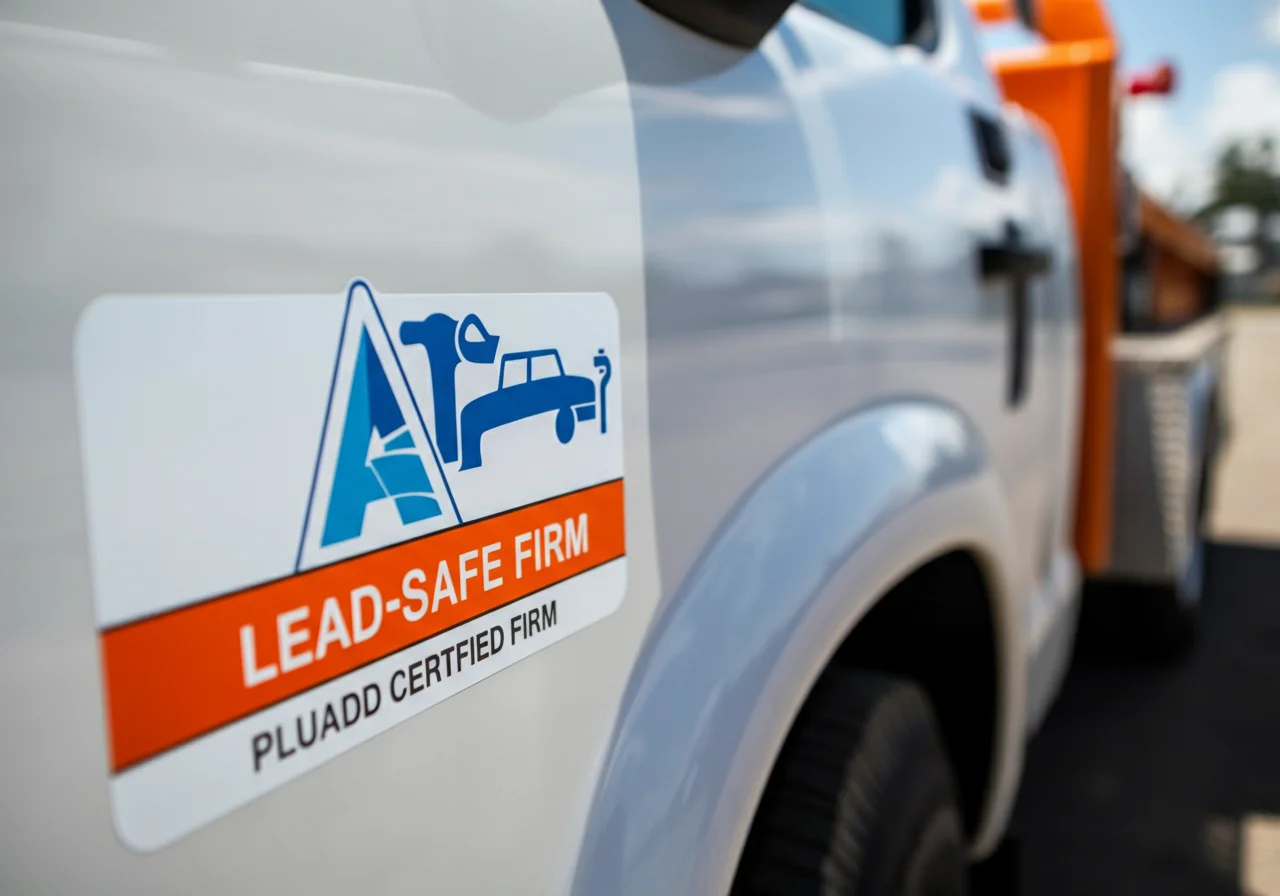
If your plumbing or HVAC work involves cutting, soldering, or demolition in homes built before 1978, you are legally required by the U.S. Environmental Protection Agency (EPA) to hold Lead RRP Certification. The Renovation, Repair, and Painting (RRP) Rule is a non-negotiable federal regulation designed to contain lead-contaminated dust generated during work on pre-1978 housing and child-occupied facilities. For tradespeople, this certification is not optional—it is a core component of professional, safe, and legally compliant operations.
Technical Deep Dive: The RRP Workflow for Plumbing & HVAC
Certified Firm and Certified Renovator status dictates a strict, step-by-step process. This is not merely about wearing a dust mask; it is a contained work practice system.
1. Pre-Work Verification and Setup
- Determine Applicability: Assume the property contains lead-based paint unless you have a certified inspection proving otherwise. Document this assumption or test result.
- Containment Setup: Erect plastic sheeting (6-mil minimum) to seal the work area. This includes floors, furniture, and HVAC registers. All seams must be sealed with tape.
- Warning Signs: Post EPA-approved signs at all entrances to the work area: “Warning, Lead Work Area. Keep Away.”
2. During Renovation: Prohibited Practices & Required Controls
- Prohibited Methods: You must NOT use open-flame burning or torching; machine sanding or grinding without HEPA vacuum attachment; high-heat gun operations (>1100°F); or power washing without containment. This directly impacts soldering and pipe-cutting techniques.
- Controlled Demolition/Cutting: Mist surfaces with water before cutting or drilling to suppress dust. Use HEPA vacuum-equipped tools (e.g., a HEPA-shrouded reciprocating saw) when cutting into painted surfaces.
- Waste Handling: All debris and plastic sheeting must be sealed in heavy-duty bags or sheeting while still inside the containment. Label waste: “Lead-Contaminated Waste.”
3. Post-Work Cleaning and Verification
- HEPA Vacuuming: Thoroughly vacuum all surfaces in the containment area with a true HEPA vacuum (not a shop vac).
- Wet Wiping: Follow HEPA vacuuming by wet wiping all surfaces in the work area with disposable cloths.
- Cleaning Verification: The Certified Renovator must perform a visual inspection. Optionally, use EPA-recognized lead test kits on cleared surfaces or hire a certified risk assessor/inspector for clearance testing, which is required for certain jobs.
Code & Compliance: The Legal Framework
The RRP Rule (40 CFR Part 745, Subpart E) is enforced by the EPA and authorized states. It carries significant penalties for non-compliance.
- EPA Enforcement: Violations can result in fines of up to $79,877 per violation per day (as of 2024 adjusted amounts).
- OSHA Overlap (29 CFR 1926.62): The Occupational Safety and Health Administration’s Lead in Construction standard runs concurrently. It mandates employee exposure monitoring, medical surveillance, and respiratory protection programs where airborne lead exceeds the Permissible Exposure Limit (PEL).
- Tort Liability: Failure to follow RRP practices can lead to civil lawsuits from occupants, particularly children, who suffer from lead poisoning traced to your work site. Your certification and documented practices are your primary legal defense.
Toolbox: Essential Equipment for RRP Compliance
Generic quality brands that meet the standard include:
| Tool Category | RRP-Compliant Specification | Example Brand/Type |
|---|---|---|
| Vacuum System | True HEPA filtration, certified for lead. Must not release dust back into air. | Nilfisk, Milwaukee HEPA Vacuum Attachments |
| Containment | 6-mil minimum thickness polyethylene sheeting, heavy-duty tape. | Ridgid plastic sheeting rolls |
| Personal Protective Equipment (PPE) | NIOSH-approved respirator (N100, R100, P100) with tight fit. Disposable coveralls. | 3M half-face respirator with P100 filters |
| Dust Suppression | Spray bottles for wetting, pump sprayers for larger areas. | Chapin industrial sprayers |
Safety Warning: The Non-Negotiable First Step
Before any tool is powered on, you must verify the age of the structure and your certification status. Never begin cutting into walls, ceilings, or trim in a pre-1978 home without first establishing containment and using RRP work practices. Lead dust is an invisible, cumulative neurotoxin. There is no safe level of exposure, especially for children and pregnant women.
External References for Protocol and Science
For the definitive regulatory text and training resources, always refer to the source:
EPA: Renovation, Repair and Painting Program. This page contains the full rule, guidance documents, and links to find accredited training providers.
To understand the public health imperative behind the rule:
CDC: Lead Poisoning Prevention. This resource details the irreversible health effects of lead exposure, reinforcing why the RRP Rule’s technical protocols are critical.