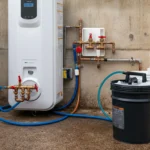
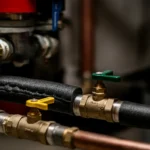
Pilot Light Won’t Stay Lit
The Diagnosis: A Systematic Approach to a Faulty Pilot Light
A pilot light that won’t stay lit is a common failure in gas-fired appliances like water heaters and furnaces. This pilot light issue indicates an interruption in the safety circuit, preventing the main gas valve from opening. The root cause is typically one of three things: a failed safety component (thermocouple), improper combustion air flow, or a fuel delivery problem. A methodical diagnosis is required for a safe, permanent repair.
Safety Warning
Turn off the gas supply to the appliance at the dedicated shut-off valve before beginning any inspection. If you smell gas at any point, do not operate electrical switches. Evacuate the area immediately and call your gas company or emergency services from outside. This guide is for informational purposes; if you are not confident in your ability to work safely with gas systems, contact a licensed professional.
Technical Deep Dive: Step-by-Step Troubleshooting
Follow this checklist in order. Always allow the appliance to cool completely before handling components.
1. Initial Inspection and Cleaning
- Visual Check: With the gas off, inspect the pilot assembly, burner, and draft hood for heavy dust, spider webs, or corrosion. Use a flashlight and mirror for a thorough view.
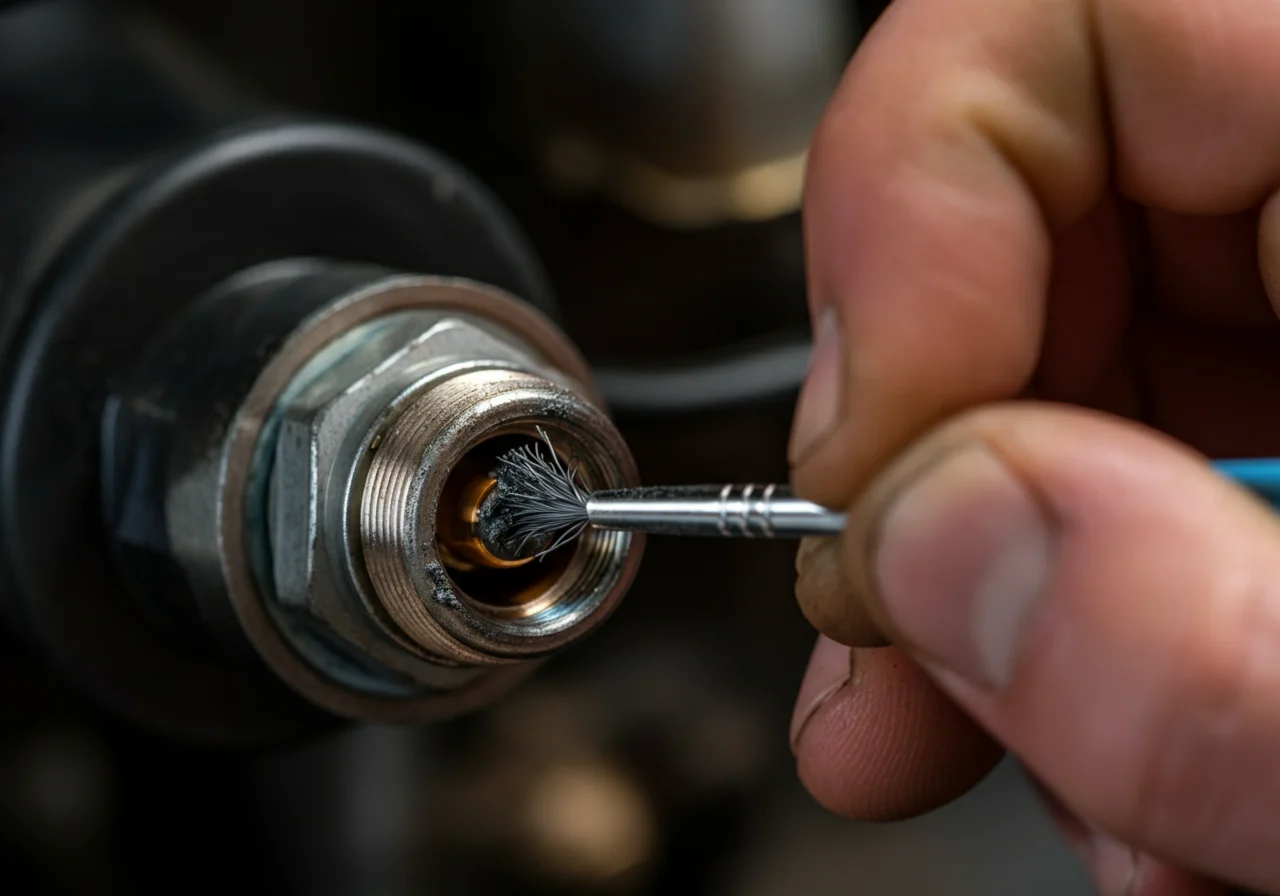
- Clean the Orifice: The pilot orifice is a tiny brass fitting where the gas emerges. It can become clogged with debris. Use a dedicated pilot orifice cleaning tool or a single strand from a wire brush. Never use a paperclip or similar object, as it can enlarge the orifice and create a dangerous, oversized flame.
- Check the Flame: After cleaning, relight the pilot per manufacturer instructions. A proper pilot flame should be steady, blue, and strong enough to envelop the top 1/2 to 3/4 inch of the thermocouple tip. A weak, yellow, or lifting flame indicates a problem.
2. Testing and Replacing the Thermocouple
A bad thermocouple is the most frequent culprit. It generates a small millivolt current when heated by the pilot flame, which holds the safety valve open.
- Tool: Use a multimeter set to millivolts (mV). A high-quality meter like a Fluke 116 is ideal for HVAC/R technicians.
- Procedure: With the pilot lit, disconnect the thermocouple from the gas valve. Place one multimeter lead on the thermocouple’s copper connector and the other on its outer jacket. A healthy thermocouple should generate 25-35 mV when fully heated (after 2-3 minutes). A reading below 15 mV confirms failure.
- Replacement: Shut off the gas. The thermocouple is typically held by a bracket near the pilot and a compression nut at the gas valve. Use two wrenches to avoid twisting the tubing. Install the new unit, ensuring the tip sits directly in the pilot flame’s hottest part.
3. Evaluating Draft and Ventilation
Downdrafts or insufficient combustion air can blow out the pilot or starve it of oxygen.
- Draft Hood Inspection: The draft hood is a metal chamber above the main burner that diverts combustion products into the flue. Ensure it is not rusted through, blocked, or misaligned. It must be level.
- Draft Test: Light a stick of incense or a smoke pencil and hold it near the draft hood opening with the appliance off. The smoke should be drawn slowly up into the hood. If it’s blown back into the room, you have a negative pressure or downdraft issue.
- Combustion Air: Modern, tight homes can starve appliances of air. Check that the appliance room has adequate permanent ventilation openings as per code.
4. Gas Pressure and Valve Diagnosis
- Pilot Adjustment: Some gas valves have a pilot adjustment screw. A flame that’s too low may not heat the thermocouple sufficiently; one that’s too high can create soot. Refer to the unit’s data plate for specifications.
- Gas Valve Failure: If the thermocouple tests good, the pilot stays lit when manually held, but goes out when the knob is released, the solenoid in the gas valve may be faulty. This requires professional replacement of the entire gas control valve.
Code & Compliance
All repairs must adhere to local codes, which are typically based on national standards.
- International Fuel Gas Code (IFGC) Section 406: Governs the installation and maintenance of gas-fired appliances, including accessibility for service and required clearances.
- IFGC Section 304: Details requirements for combustion, dilution, and ventilation air. Improper air supply is a common, code-violating cause of pilot problems.
- OSHA 1910.110: Covers the storage and handling of liquefied petroleum gases, relevant for propane/LP systems.
Always check with your local Authority Having Jurisdiction (AHJ) for any amendments to these codes.
Toolbox
Having the right tools ensures an efficient and safe diagnosis.
| Tool | Purpose | Example Brand/Type |
|---|---|---|
| Multimeter | Testing thermocouple millivolt output | Fluke 116 HVAC Multimeter |
| Open-End Wrench Set | Replacing thermocouple & gas fittings | Ridgid 6-Piece Combination Wrench Set |
| Pilot Orifice Cleaner Set | Cleaning clogged pilot orifices without damage | Professional-grade brass wire cleaners |
| Flashlight & Inspection Mirror | Visual inspection of burner and draft hood | Milwaukee M12 Rover Flood Light |
External References
For definitive specifications and procedures, always defer to the manufacturer’s documentation. A key safety resource is provided by the U.S. government:
- CPSC Safety Guide on Home Heating Equipment – Critical safety information from the Consumer Product Safety Commission on furnaces, space heaters, and fireplaces.