Pressure Reducing Valve Fail
The Diagnosis: A Failed Pressure Reducing Valve (PRV) is a Systemic Plumbing Hazard
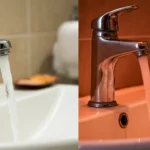
A Pressure Reducing Valve (PRV) is a critical, non-serviceable component that protects your entire plumbing system from the destructive force of excessive municipal supply pressure. When it fails, typically in the “open” or “full-flow” position, it no longer regulates downstream pressure. This results in two primary, symptomatic failures: chronically high water pressure that stresses fixtures and appliances, and destructive water hammer (hydraulic shock) that causes pipes to bang violently. This guide provides the technical methodology to diagnose, confirm, and resolve a PRV failure.
Technical Deep Dive: Diagnosing and Replacing a Faulty PRV
Follow this systematic procedure to confirm PRV failure and execute a proper replacement. Safety Warning: Before any work, locate and shut off the main water supply valve. Relieve system pressure by opening the highest and lowest faucets in the home. Verify power is off to any electric water heaters.
- Symptom Confirmation & Pressure Test:
- Attach a pressure gauge to a hose bib or washing machine outlet. A reading consistently above 80 PSI, especially matching street pressure, indicates PRV failure.
- Listen for a constant, high-velocity hissing sound from the PRV itself, a sign of internal wear and constant flow.
- Observe if temperature and pressure (T&P) relief valves on water heaters weep intermittently; this is a direct symptom of over-pressure events.
- Isolation and Removal:
- Isolate the PRV by closing valves on both the inlet and outlet sides. If no isolation valves exist, you must shut off water at the main house entry.
- Use two pipe wrenches (e.g., Ridgid) in opposing directions to prevent torque transfer to the piping. One wrench backs the valve body, the other turns the union nuts.
- Take clear photos or make a sketch of the piping orientation and any bypass loop before disassembly.
- Installation of New PRV:
- Ensure the new valve is installed with the flow arrow pointing in the correct direction (inlet to outlet).
- Use appropriate thread sealant (pipe dope or Teflon tape) on male threads only. For soldered connections, ensure the valve is fully open and internal components are removed or protected from heat.
- Re-establish connections and open isolation valves slowly to prevent a sudden pressure surge.
- Setting and Final Testing:
- Locate the adjustment screw on the new PRV. Turning clockwise increases downstream pressure, counter-clockwise decreases it.
- With a fixture running slowly to allow system flow, adjust the PRV to a target of 50-60 PSI, as measured by your pressure gauge.
- Conduct a water hammer test: quickly close several ball-valve faucets. Persistent banging indicates the need for arrestor installation to manage the now-corrected but still present kinetic energy.
Code & Compliance: The Legal Pressure Limits
Plumbing codes explicitly define safe operating pressures to protect infrastructure and ensure fixture longevity.
| Code | Maximum Allowable Static Pressure | Relevant Section |
|---|---|---|
| International Plumbing Code (IPC) | 80 PSI | IPC 604.7 |
| Uniform Plumbing Code (UPC) | 80 PSI | UPC 604.8 |
Furthermore, the International Residential Code (IRC P2903.5) mandates that where the street pressure exceeds 80 PSI, an approved pressure-reducing valve shall be installed. Failure to maintain pressure within these limits can void appliance warranties and is a cited cause of premature fixture failure.
Toolbox: Essential Gear for the Job
- Pressure Gauge (0-200 PSI): A brass, liquid-filled gauge with a hose bib connection is essential for accurate diagnosis and calibration.
- Pipe Wrenches: Two 14″ or 18″ adjustable wrenches (e.g., Ridgid) for gripping and turning.
- Multimeter: For related electrical safety checks (e.g., Fluke T5-600). Verify no voltage on pipes if disconnecting near electrical grounds.
- Deburring Tool & Wire Brush: To clean pipe threads and ensure a proper seal.
The Mechanics of Failure: High Pressure and Water Hammer
A failed PRV creates a cascade of mechanical problems:
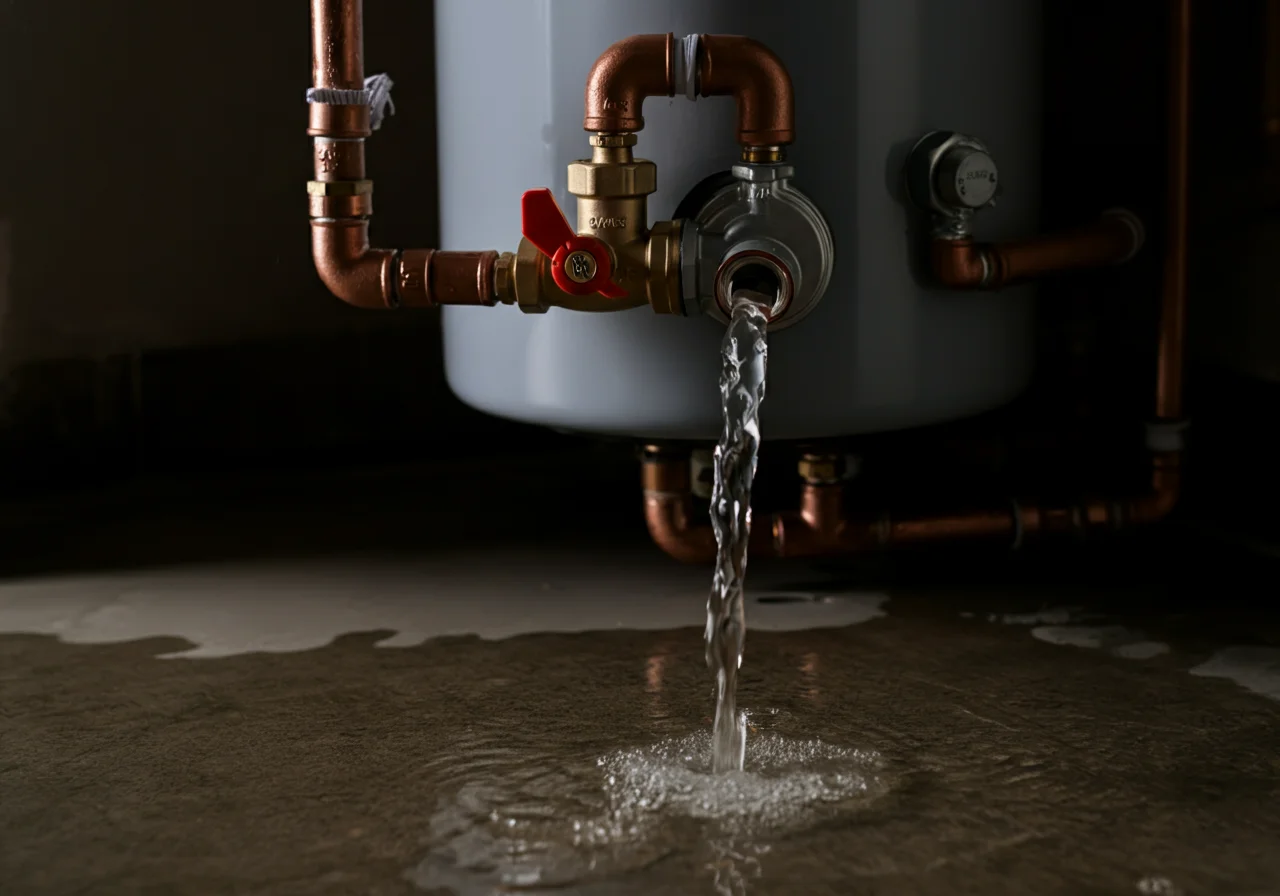
High Water Pressure: Sustained pressure above 80 PSI dramatically increases the stress on every joint, valve, and appliance in the system. This leads to pinhole leaks in copper pipes, failed seals in faucets and toilet fill valves, and shortened lifespans for water heaters and washing machines. The weeping T&P relief valve is a safety feature doing its job—it’s a symptom, not the problem.
Water Hammer: This is the audible shock wave (a “bang” or “thud”) caused when fast-moving water is abruptly stopped by a quick-closing valve (like a solenoid in a washing machine or a modern ball-valve faucet). While water hammer can exist in normally pressurized systems, excessive pressure from a failed PRV magnifies the force exponentially. The kinetic energy (1/2 * mass * velocity²) must be dissipated, causing pipes to slam against studs and joists. For definitive technical parameters on shock wave propagation, consult engineering resources like the ASHRAE Handbook.
External Reference for Valve Standards
For specifications on materials, design, and performance testing of pressure reducing valves, the American Society of Sanitary Engineering (ASSE) Standard 1003 is the governing document. You can review the scope and purchase the standard through the ASSE website. Installation must always conform to the valve manufacturer’s printed instructions, which supersede general guidance.