Recirculation Pump Noise
The Diagnosis: Identifying and Silencing Recirculation Pump Noise
A noisy recirculation pump is a common failure mode indicating mechanical wear, improper installation, or system imbalance. Grinding, humming, or rattling sounds are not just a nuisance; they are symptoms of inefficiency and impending component failure. For a professional-grade fix, you must systematically diagnose the root cause, which often involves the check valve, air management, or bearing wear.
Technical Deep Dive: Step-by-Step Troubleshooting
Follow this diagnostic sequence to isolate and resolve the noise. Always start with the simplest, non-invasive checks before moving to component replacement.
Step 1: Initial System Assessment & Safety
- Safety First: Shut off electrical power to the pump at the circuit breaker. For systems with an integral pump on a water heater, also shut off the gas or power to the heater.
- Identify Sound Type: A constant hum or buzz often points to electrical issues or cavitation. A metallic grinding or growling indicates mechanical failure. Intermittent rattling or water hammer suggests flow or air problems.
- Check Operation: Briefly restore power and listen closely to locate the exact source. Is the noise from the pump body, the piping, or a valve?
Step 2: Eliminate Air Lock and Cavitation
Air in the system or cavitation (the formation and collapse of vapor bubbles) is a prime culprit for humming and rattling.
- Bleed the System: Locate the highest point in the recirculation loop, often at a manual air vent or an angle valve. With the pump off, slowly open the vent to release trapped air until a steady stream of water flows.
- Check for Cavitation: Cavitation sounds like marbles or gravel in the pump. It’s caused by restricted inlet flow or excessive pump speed for the system. Ensure the pump’s inlet strainer is clean and the isolation valves are fully open. On variable-speed pumps, verify the setting isn’t too high for the loop’s head pressure.
Step 3: Inspect and Test the Check Valve
A failed or partially stuck check valve can cause water hammer, rattling, or abnormal pump strain leading to noise.
- Location: The check valve is typically installed in the dedicated return line to prevent cold water from back-siphoning into the hot line.
- Inspection: Shut off water supply and relieve pressure. Remove the check valve. Check for debris (scale, solder balls) obstructing the flapper or spring mechanism. Look for worn seals or a broken spring.
- Test: Manually actuate the valve; it should move freely and seal completely. Flow should pass in one direction only. Replace if faulty—a Ridgid or equivalent brand brass check valve is a reliable choice.
Step 4: Diagnose Pump Mechanical Failure
If air and the check valve are ruled out, the noise likely originates inside the pump.
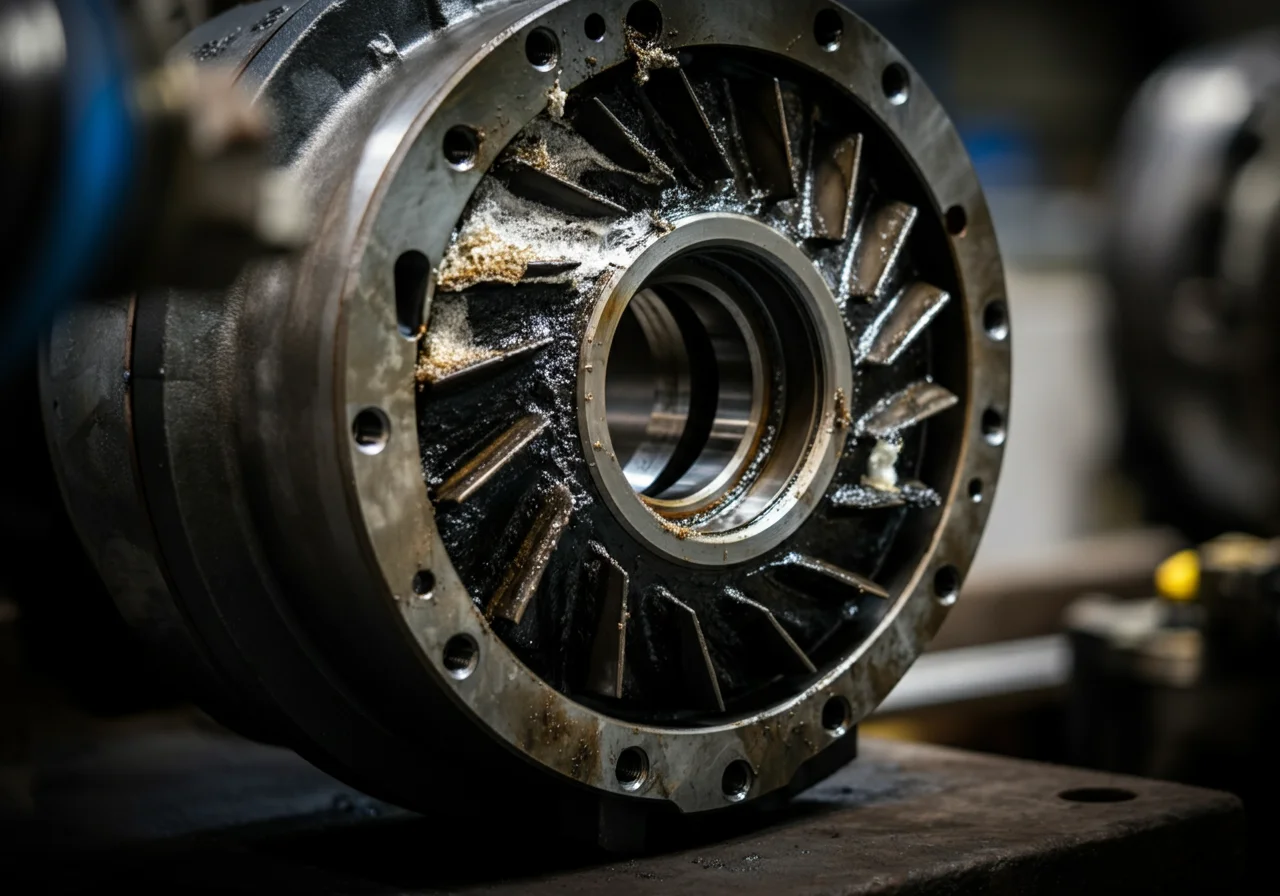
- Bearing Wear (Grinding Noise): The most common mechanical failure. With power OFF, try to wobble the pump impeller shaft. Any lateral play indicates worn bearings. The pump requires replacement.
- Impeller Debris: Debris can cause imbalance and humming. This requires disassembling the pump volute (per manufacturer instructions) to clean the impeller.
- Motor Issues (Constant Hum): A hum with no pumping action suggests a seized bearing or a failed start capacitor (on some models). Use a Fluke multimeter to check for proper voltage at the pump terminals and continuity through the windings.
Step 5: Verify System Balance and Installation
- Pump Isolation: Ensure the pump is mounted with proper isolation unions or rubber fittings to prevent vibration transmission into the piping.
- Flow Rate: Verify the pump’s GPM rating is appropriate for the loop length. An undersized pump strains; an oversized pump causes velocity noise.
- Pipe Support: Inadequate strapping can allow pipes to rattle against studs or joists when the pump cycles.
Code & Compliance
Proper installation prevents noise and ensures safety and efficiency.
- IPC/UPC (Piping): Both the International and Uniform Plumbing Codes require adequate support for piping (IPC 305.8, UPC 318.0). They also mandate check valves where needed to prevent backflow (IPC 608.1, UPC 603.4.3).
- NEC (Electrical): The National Electrical Code requires the pump to be on a dedicated, properly grounded circuit (NEC 422.12).
- OSHA/General Safety: Lock-out/Tag-out procedures (29 CFR 1910.147) should be followed when performing electrical diagnostics.
Toolbox
Having the right tools ensures an efficient diagnosis.
| Tool | Purpose | Example Brand |
|---|---|---|
| Multimeter | Checking voltage, continuity, and capacitor function. | Fluke |
| Adjustable Wrenches | Disassembling unions and valve connections. | Ridgid |
| Screwdriver Set | Removing electrical covers and pump housing screws. | Milwaukee |
| Pipe Cutter/Deburring Tool | Cleanly replacing a faulty check valve or section of pipe. | Ridgid |
External Reference
For detailed specifications, installation diagrams, and warranty information, always consult the official manufacturer’s manual for your specific pump model. As a general reference, the U.S. Department of Energy provides guidelines on hot water system efficiency, which includes recirculation system best practices.
DOE Energy Saver: Water Heating.