Rotten Egg Smell in Water
The Diagnosis: Hydrogen Sulfide Gas in Your Water Supply
A persistent rotten egg smell in water is a definitive indicator of hydrogen sulfide (H₂S) gas. This corrosive, flammable, and toxic gas is produced when sulfate-reducing bacteria (SRB) metabolize sulfates in an oxygen-deprived environment, such as inside your water heater tank. The standard magnesium anode rod, while excellent for corrosion protection, can accelerate this bacterial reaction in water with high sulfate content. The technical solution is to replace the sacrificial anode rod with a less reactive type, specifically an aluminum-zinc alloy rod, to disrupt the bacterial food source without sacrificing tank protection.
Technical Deep Dive: Diagnosis and Anode Rod Replacement
Correct diagnosis is critical. First, confirm the smell originates from the hot water only by running both hot and cold taps separately. If the smell is only present in hot water, the water heater is the source. The following procedure outlines the permanent fix.
Step 1: Isolate and Drain the Water Heater
- SAFETY WARNING: Turn off the electrical breaker for an electric heater or set the gas valve to “Pilot” for a gas unit. Shut off the cold water supply valve at the top of the heater.
- Connect a standard garden hose to the drain valve at the base of the tank. Route the hose to a floor drain or outside.
- Open a hot water faucet in a nearby sink to relieve vacuum pressure. Then, open the tank’s drain valve. Allow the tank to drain completely. Caution: Water may be extremely hot.
Step 2: Locate and Remove the Existing Anode Rod
- The anode rod is installed in the top of the tank, typically under a hexagonal plastic cap on the hot water outlet nipple or on the tank’s top surface.
- Use a 1-1/16″ deep socket (a common size) or a dedicated anode rod socket attached to a long breaker bar or impact driver (e.g., Milwaukee M18 FUEL). The rod is installed with significant torque.
- Apply steady, firm counter-clockwise force to break the rod free. The rod may be severely corroded, making removal difficult. If it snaps, specialized extraction tools are required.
Step 3: Select and Install the Correct Anode Rod Type
This is the core technical decision. The rod’s material dictates its electrochemical potential and interaction with bacteria.
| Anode Rod Type | Material Composition | Protection Level | Effect on H₂S Bacteria | Best Use Case |
|---|---|---|---|---|
| Magnesium (Standard) | Pure Magnesium | Highest (Most Active) | Provides abundant sulfate ions, can fuel bacterial growth and cause odor. | Soft water, low sulfate content, where odor is not present. |
| Aluminum-Zinc (Recommended Fix) | Alloy of Aluminum, Zinc & Tin | High (Slightly Less Active than Mg) | Disrupts bacterial metabolism; zinc ions are toxic to SRB, eliminating the odor. | Water with moderate to high sulfates, where rotten egg smell is present. |
| Powered / Titanium | Titanium core with external power supply | Adjustable & Non-Sacrificial | Eliminates the sacrificial metal entirely, removing the bacterial food source. | Long-term solution for very hard water, high sulfates, or where frequent rod changes are impractical. |
- For the rotten egg smell, select a full-length, solid-core aluminum-zinc alloy anode rod.
- Apply 2-3 wraps of PTFE (Teflon) tape or pipe dope to the new rod’s threads. Carefully thread it into the tank opening by hand to avoid cross-threading.
- Torque the rod to manufacturer specifications, typically between 40-80 ft-lbs. Do not overtighten. Use a torque wrench for precision.
Step 4: Re-pressurize and Purge the System
- Close the drain valve and remove the hose. Turn the cold water supply valve back on slowly to fill the tank. Keep the hot water faucet open until a steady stream of water flows, indicating all air is purged.
- Once the tank is full, restore power or relight the gas heater per manufacturer instructions.
- Run all hot water faucets for 5-10 minutes to flush any residual hydrogen sulfide gas and bacteria from the plumbing lines.
Code & Compliance: System Safety and Potability
While anode rod selection is not directly governed by plumbing code, the work performed and the resulting water quality are.
- International Plumbing Code (IPC) & Uniform Plumbing Code (UPC): Both codes mandate the protection of potable water supply systems from contamination. P2902.1 of the IPC requires water heaters to be provided with a sacrificial anode. Using an aluminum-zinc rod maintains this required corrosion protection.
- NSF/ANSI 61: Ensure any anode rod you purchase is certified to this standard, which evaluates the health effects of products contacting drinking water.
- OSHA General Duty Clause & H₂S Exposure: Hydrogen sulfide is a recognized health hazard. While this repair mitigates the source, if you are diagnosing a well system with high H₂S, professional testing and ventilation are required per OSHA standards for confined spaces.
Toolbox: Essential Gear for the Job
- Socket/Breaker Bar: 1-1/16″ deep socket and a Ridgid 24″ breaker bar for maximum leverage.
- Multimeter: A Fluke 117 electrician’s multimeter to verify power is off at the heater terminals before starting work.
- Hose & Drain Pan: A standard garden hose and a large drain pan for managing spillage.
- Thread Sealant: High-quality PTFE tape or RectorSeal #5 pipe thread compound.
Understanding the Science: Sulfate-Reducing Bacteria (SRB)
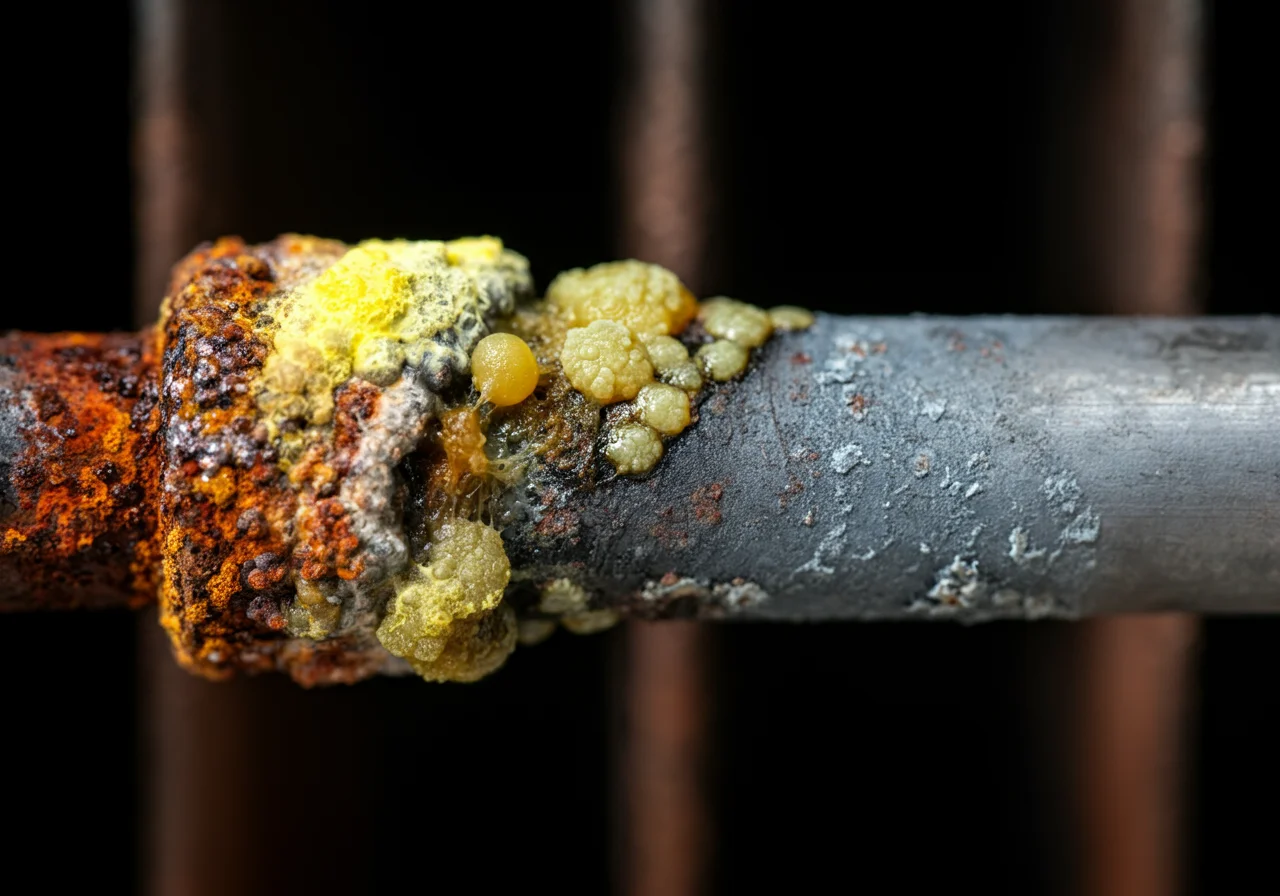
The bacteria responsible are chemolithoautotrophic sulfate-reducing bacteria (SRB), such as Desulfovibrio. They thrive in the warm, dark, anaerobic environment of a water heater tank. These bacteria use sulfate (SO₄²⁻) as an electron acceptor, reducing it to hydrogen sulfide (H₂S) gas. The high electrochemical potential of a magnesium anode provides an abundant cathode (the steel tank) for this reduction reaction, effectively “feeding” the bacteria. The aluminum-zinc rod, with its different galvanic potential and the bacteriostatic effect of zinc ions, inhibits this process without creating a hospitable environment for SRB.
External Reference for Technical Specification
For a definitive scientific overview of hydrogen sulfide, its properties, and hazards, consult the CDC/NIOSH Hydrogen Sulfide page. This resource provides critical safety information relevant to tradespeople who may encounter high concentrations in well or wastewater applications.
Final Note: If replacing the anode rod does not resolve the odor, the source may be in the well itself or the groundwater supply, requiring shock chlorination of the well or installation of an oxidation/filtration system. For persistent or complex odor issues, consultation with a licensed water treatment specialist is recommended.