Tank Leaking From Bottom
The Diagnosis: A Bottom Leak is a Terminal Failure
A tank leaking from the bottom is a definitive diagnostic sign of catastrophic tank failure. Unlike leaks from valves or fittings, which are often repairable, water escaping from the tank’s lower seam or shell indicates the steel vessel has been breached by corrosion. This is not a fixable problem; it mandates immediate water heater replacement to prevent property damage and potential safety hazards.
Technical Deep Dive: The Anatomy of a Failure
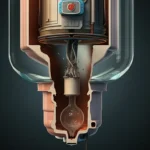
The core of a standard storage water heater is a steel tank protected by a sacrificial anode rod and a glass lined interior coating. A leak from the bottom signals the complete failure of this protective system. Here is the step-by-step failure mode and replacement protocol.
- Step 1: Confirm the Source. Thoroughly dry the area around the tank’s base and lower seam. Place a piece of paper towel or cardboard underneath and monitor. If moisture reappears directly from the tank metal and not from above (dripping down from a pipe), the diagnosis is confirmed.
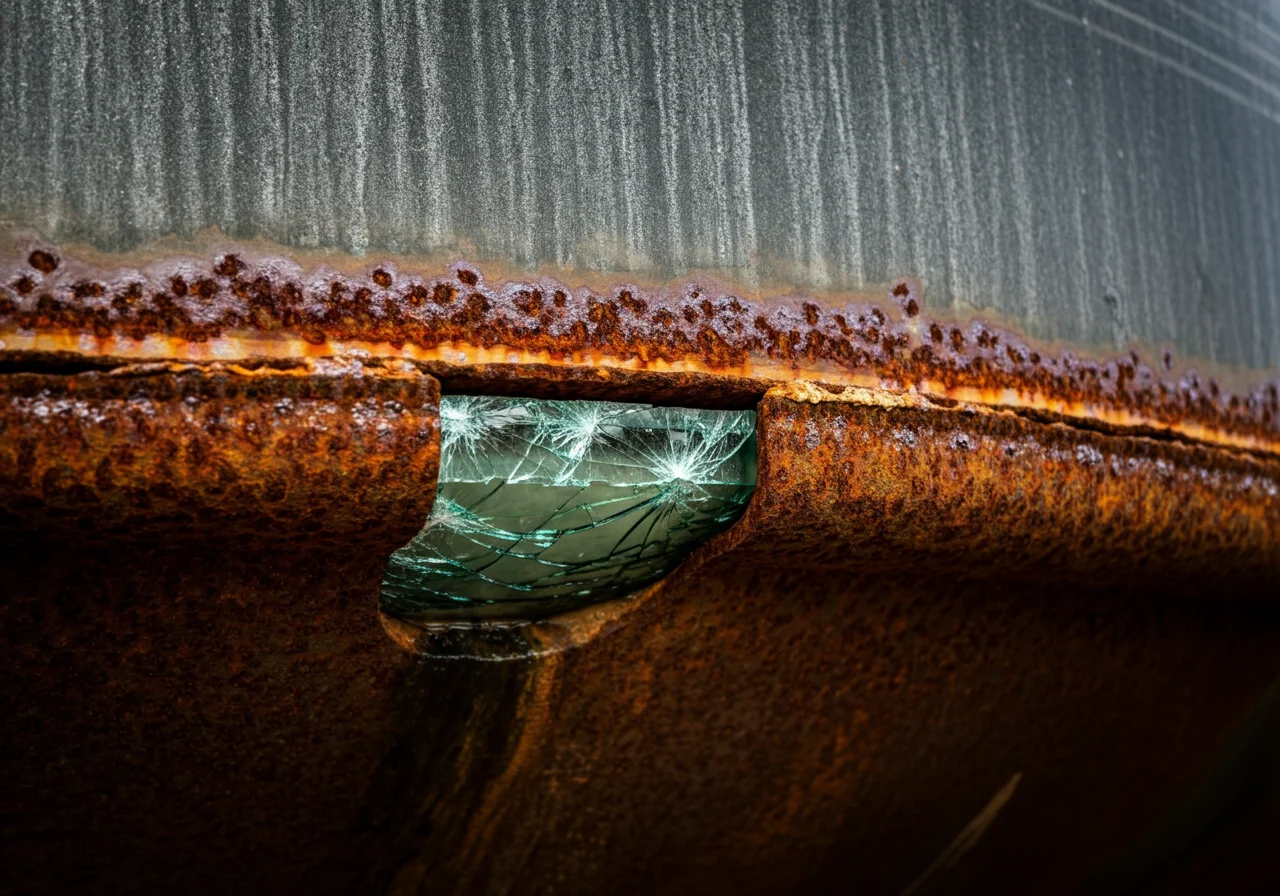
- Step 2: Understand the Cause. The sacrificial anode rod has been fully depleted, allowing electrolytic corrosion to attack the steel. Once the corrosion penetrates the glass lined coating, it creates a pinhole. Internal water pressure then forces water through this breach, typically manifesting at the weakest point—often the welded bottom seam.
- Step 3: Execute Replacement.
- Shut off the power (circuit breaker for electric, gas valve for gas) or fuel supply.
- Close the cold water inlet valve.
- Connect a hose to the drain valve and empty the tank.
- Disconnect all plumbing and, for gas units, the flue and gas line.
- Remove the old unit and install the new one, ensuring proper seismic strapping (where required), drip pan, and T&P valve discharge line.
Code & Compliance
Replacement must adhere to local plumbing and mechanical codes, which are typically based on the International Plumbing Code (IPC) or Uniform Plumbing Code (UPC).
- IPC 504.7 & UPC 507.4: Requires an approved safety pan for water heaters in locations where leakage could cause damage. The pan must drain to an approved location.
- IPC 504.6 & UPC 507.3: Mandates that Temperature and Pressure (T&P) Relief Valves must discharge to an approved location via an air gap, and the discharge pipe must be of approved material (e.g., CPVC, copper) and be the same size as the valve outlet.
- NEC Article 422: For electric water heaters, proper grounding and circuit protection are required.
Toolbox for Replacement
Having the right tools ensures a safe and code-compliant job. Use quality tools from brands like Ridgid for pipe wrenches and threading, and Fluke for multimeter verification of power disconnect.
| Tool | Purpose |
|---|---|
| Two 18″ Pipe Wrenches | Disconnecting and making up water connections. |
| Multimeter | To verify power is off at electric unit terminals. |
| Non-Contact Voltage Tester | Initial safety check for live wires. |
| Hose & Drain Pan | For safe tank drainage and spill containment. |
| Tubing Cutter/Soldering Kit or SharkBite® Wrenches | For modifying water supply lines as needed. |
Glass Lined Tanks and Warranty Implications
The glass lined porcelain enamel coating is the primary barrier against corrosion. Its failure is what the manufacturer’s warranty covers. A leak from the tank shell is the physical proof of this failure.
- Warranty Structure: Most warranties are “pro-rated.” A 10-year warranty doesn’t mean a free tank after 9 years. It means the manufacturer will provide a replacement tank, but its cost is pro-rated based on the unit’s age. You pay the depreciated value plus labor.
- The Critical Step: You must have proof of professional installation and annual maintenance (like anode rod inspection) to make a valid claim. DIY installation often voids the tank warranty.
- Action: Locate your manual and the serial number tag on the heater. Contact the manufacturer (e.g., Rheem, A.O. Smith, Bradford White) to initiate a claim. The leak is your evidence.
Safety Warning
IMMEDIATE ACTION REQUIRED. A tank leaking from the bottom can fail catastrophically, releasing a large volume of water. Turn off the water supply and power/fuel to the unit immediately. For gas units, be aware of potential pilot light issues when water contacts the burner assembly. If you are not a licensed tradesperson, contact a professional plumber. Water and electricity/gas are a dangerous combination.
External Reference
For a detailed technical overview of corrosion mechanisms in water heaters and the function of the anode rod, refer to this resource from the U.S. Department of Energy: Energy Saver: Water Heating.