Threading Machine Oil
The Diagnosis: Why Your Threading Machine Oil is a Wear-Part
Using the correct threading machine oil is not a suggestion; it is a fundamental requirement for machine longevity and thread quality. On a tool like the Ridgid 300 series, the wrong oil accelerates catastrophic wear on the precision-ground teeth of the die head, leading to poor threads, machine strain, and costly replacements. This guide details why a high-quality, dark thread cutting oil is non-negotiable for cooling, lubrication, and chip evacuation.
Technical Deep Dive: The Role of Oil in Threading Operations
Thread cutting is a severe metalworking process involving high pressure, friction, and heat. The oil performs three simultaneous, critical functions:
- Cooling: Dissipates intense heat generated at the cutting edge to prevent annealing (softening) of the die teeth.
- Lubrication: Reduces friction between the die teeth and the workpiece, minimizing power demand and wear.
- Chip Removal: Flushes away metal shavings (chips) from the cutting area to prevent chip welding and scratching of the thread form.
Dark, sulfurized thread cutting oils are formulated specifically for this. The dark color often comes from additives like chlorine or sulfur (extreme pressure, or EP, additives). These compounds form a sacrificial layer on the metal under heat and pressure, preventing direct metal-to-metal contact and galling.
Step-by-Step: Proper Application for Die Head Preservation
- Preparation: Ensure the workpiece is clean and the Ridgid 300 machine is securely mounted. Select the correct die head and dies for the pipe or rod size.
- Application: Liberally apply dark thread cutting oil to the entire length of the workpiece where threading will occur. Do not rely solely on the machine’s drip oiler; manually flood the die head at the start.
- During Operation: Maintain a steady flow of oil. The cutting area should be visibly wet with oil throughout the entire thread-cutting cycle. Observe the chip formation; proper lubrication produces tightly curled, silver chips, not long, stringy, or discolored ones.
- Post-Operation: After threading, wipe the die head clean of chips and residual oil to prevent grit accumulation. Inspect die teeth for any signs of chipping or dulling.
Code & Compliance: The Implicit Standard
While plumbing and mechanical codes (IPC/UPC, NFPA) do not specify a brand of threading oil, they mandate properly threaded joints. IPC 305.3 states that “Threads shall be clean and cut accurately.” Using improper lubrication directly leads to inaccurate, torn, or incomplete threads that can fail pressure tests and violate code. Furthermore, OSHA standards (29 CFR 1910.242) on hand and portable power tools require that tools be maintained in a safe condition. A poorly lubricated threading machine that binds or overheats presents a safety hazard.
Toolbox: Essential Gear for the Task
Using the right consumables is as important as the tool itself.
- Threading Machine Oil: Use only high-sulphur, dark cutting oil labeled for threading. Generic motor oil or lightweight oils are insufficient. Brands like Ridgid and Oatey offer formulations specifically for pipe threading.
- Inspection Tools: A thread gauge and a magnifying glass or loupe are critical for periodic inspection of die teeth for wear or damage.
- Machine Maintenance: Keep the machine’s gearbox and ways lubricated with the manufacturer-specified grease (e.g., Ridgid No. 00 Grease for the 300 series).
Safety Warning
ALWAYS ensure the threading machine is completely powered off and unplugged before changing dies, cleaning, or performing any maintenance. Wear ANSI-approved safety glasses and heavy-duty gloves to protect from sharp chips and rotating machinery. Secure the workpiece firmly in the vise. Work in a well-ventilated area, as cutting oils can produce fumes.
External Reference
For a definitive resource on metalworking fluids and their chemistry, the Wikipedia entry on Cutting Fluid provides a detailed technical overview of additive types and functions.
Why “Dark” Oil Matters: The Chemistry of Preservation
The characteristic dark color of proper threading oil is a visual indicator of its enhanced formulation. These oils contain Extreme Pressure (EP) additives, primarily sulfur and chlorine compounds. During the high-stress cutting action on a Ridgid 300, localized temperatures can soar enough to weaken the hardened steel of the die teeth. The EP additives react chemically with the fresh metal surface of the pipe to form a solid, lubricating layer (like iron sulfide or chloride). This layer:
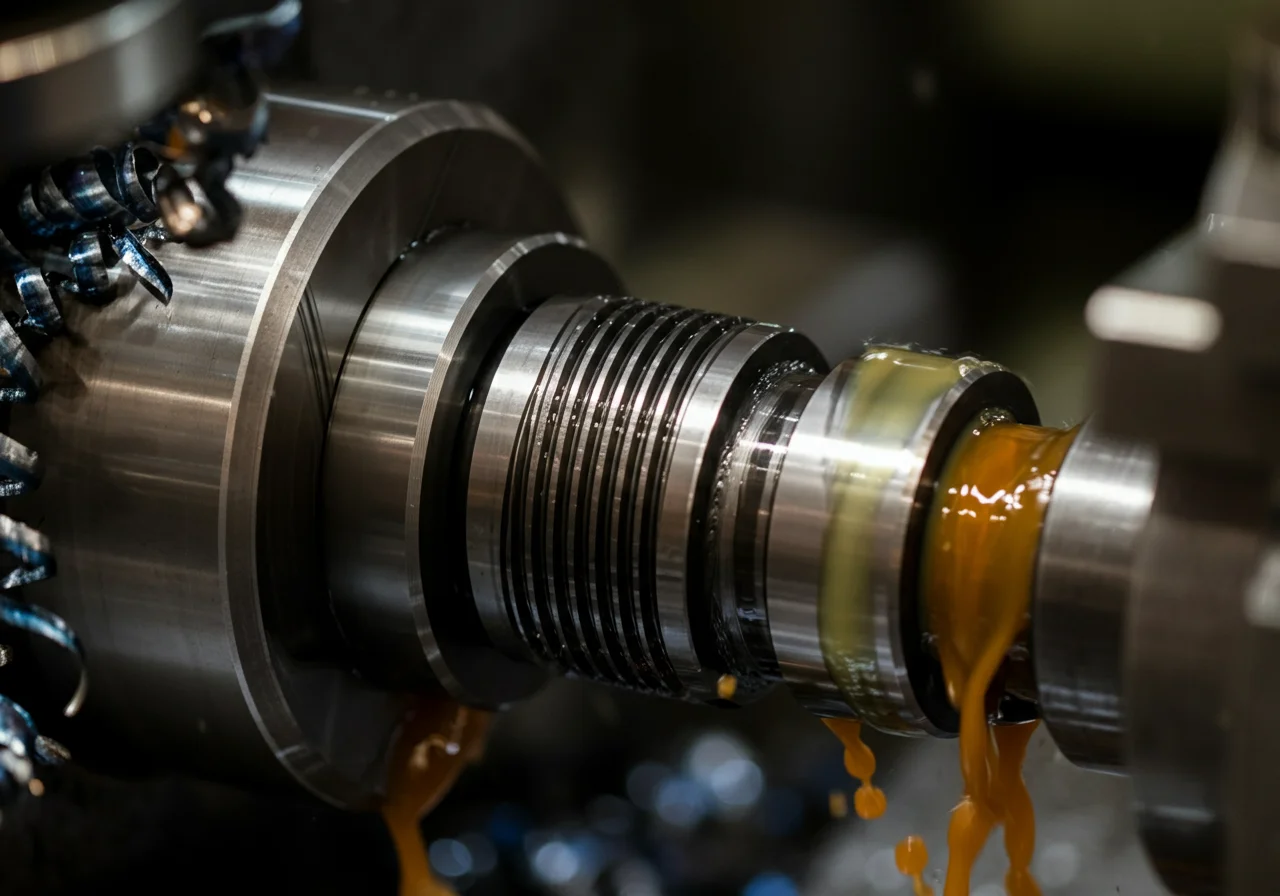
- Prevents the chip from welding to the cutting tool (built-up edge).
- Allows the chip to slide away cleanly.
- Maintains a cooler cutting zone by reducing friction.
Using clear or light oil, which lacks these additives, results in direct steel-on-steel contact. This generates excessive heat, causing the die teeth to lose their temper (become softer), which in turn leads to rapid dulling, chipping, and a cascading failure of the die head.
The Die Head: Ground Zero for Wear
The die head on a Ridgid 300 is a complex, precision assembly. Each individual die (or chaser) has multiple cutting teeth that must work in unison. Inadequate cooling and lubrication cause uneven wear. One tooth may bear the brunt of the load, leading to a chipped edge. This damaged tooth then produces a poor thread and places abnormal stress on the adjacent teeth and the die head’s closing mechanism. The result is not just ruined dies, but potential damage to the die head’s internal cam and scroll, a far more expensive repair.
| Oil Type | Primary Use | EP Additives | Result on Die Head |
|---|---|---|---|
| Dark Thread Cutting Oil | Pipe/Rod Threading | High (S, Cl) | Proper cooling/lube; minimal wear |
| General Purpose Machine Oil | Light bearing lubrication | None/Low | Rapid heat buildup; die tooth annealing |
| Motor Oil (10W-30) | Internal combustion engines | Detergents, Friction Modifiers | Poor chip evacuation; gumming; accelerated wear |
| Water-Soluble Coolant | CNC Machining | Possible, but diluted | Inadequate lubrication for high-pressure threading; rust risk |
Cooling: The Unsung Hero of Thread Quality
Effective cooling is the most immediate benefit of proper threading oil. The heat generated in cutting must be carried away instantly. If the oil’s thermal capacity or flow is insufficient, the heat stays in the cutting zone. This thermal damage has two victims:
- The Die: Hardened tool steel begins to lose its hardness at temperatures as low as 400°F, a threshold easily exceeded in dry threading. Softened teeth deform and wear exponentially faster.
- The Workpiece: Excessive heat can distort the pipe thread, causing a tapered or “drunken” thread that will not seal properly in a fitting. It can also create hard, brittle zones on the steel pipe itself.
The oil acts as a heat sink, absorbing energy and carrying it away in the fluid stream and within the ejected chips. A continuous, generous flow is essential—never use oil sparingly.
Operational Best Practices for the Ridgid 300
To maximize die life and thread quality, integrate these practices:
- Break-In New Dies: When installing new dies, make the first few threads on a scrap piece with extra oil to seat the cutting edges properly.
- Listen and Look: A well-lubricated cut has a consistent, smooth sound. A chattering, screaming, or groaning noise indicates insufficient oil, dull dies, or incorrect alignment.
- Clean the Oil Reservoir: Periodically drain and clean the machine’s built-in oil reservoir to remove metal fines and sludge that can clog the feed line.
- Store Dies Properly: Clean and lightly coat dies with oil before storage to prevent rust.
In summary, treating threading machine oil as a critical wear-part, not a generic fluid, is the mark of a professional. For a Ridgid 300, investing in premium dark cutting oil is the most cost-effective way to protect your investment in the die heads and ensure every thread you cut meets the uncompromising standard the trade demands.